

If you’ve scrolled through food blogs, watched cooking shows, or visited Spanish restaurants, you’ve probably heard the word “plancha” mentioned. Maybe you’ve wondered what it actually means, or perhaps you’ve seen one in a kitchen but weren’t sure what it was for. You’re not alone, many people are curious about this cooking tool that’s becoming increasingly popular in home kitchens and professional restaurants worldwide.
In this guide, we’ll explore the real meaning of plancha, how it’s used, why it matters in modern cooking, and why you might want to consider using one yourself.
The Basic Meaning: What Is a Plancha?
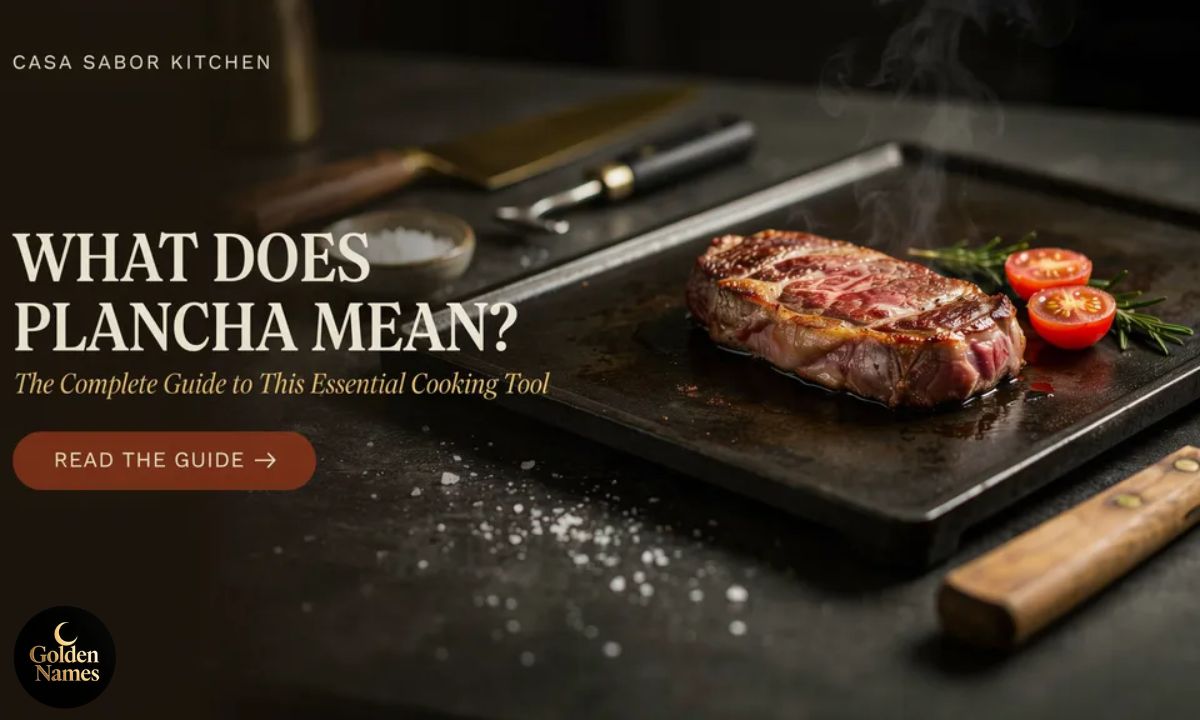
At its core, plancha is a Spanish word that refers to a large, flat cooking griddle or plate, typically made from cast iron or stainless steel. The word itself comes from Spanish and literally translates to “plate” or “iron sheet.” However, in culinary terms, it means much more than just a flat surface, it represents a specific cooking method and tradition that has been part of Spanish and Latin American cuisine for generations.
The most straightforward way to understand a plancha is to imagine a very large, flat skillet with no walls or a very low rim. Unlike a traditional frying pan with sloped sides, a plancha has a completely flat, smooth cooking surface. This flat design is actually the key to understanding what makes plancha cooking special and why it has become such a significant technique in both home and professional kitchens.
The Origin and Cultural Significance
The plancha has deep roots in Spanish and Latin American cooking traditions. In Spain, particularly in regions like Basque Country and Catalonia, the plancha has been used for centuries to cook everything from seafood to vegetables. The cooking method spread throughout Latin America, where it became an essential tool in countries like Argentina, Mexico, and Colombia.
What started as a practical cooking tool for home cooks and street vendors has evolved into a respected cooking method used by professional chefs around the world. Today, high-end restaurants feature plancha cooking as a specialty technique, and home cooks are discovering the versatility and simplicity this method offers.
The cultural significance of plancha cooking goes beyond just the tool itself. In Spanish-speaking communities, cooking on a plancha is often a social activity. Whether it’s a family gathering or a street market scene, the plancha represents warmth, tradition, and shared meals—values that are central to these cultures.
How a Plancha Works: The Cooking Method
Understanding what a plancha is means understanding how it actually works in practice. The cooking process on a plancha is quite different from using a regular stovetop or grill.
Heat Distribution and Control
A plancha operates by creating an even, consistent heat across its entire surface. This uniform heat distribution is one of the biggest advantages of plancha cooking. Whether you’re cooking on the left side or the right side of the surface, the temperature remains relatively consistent. This consistency makes it easier to cook multiple items at once without worrying about some items burning while others undercook.
Direct Contact Cooking
When you cook on a plancha, your food makes direct contact with the hot surface. This direct contact creates a flavorful crust through a process called the Maillard reaction—the same chemical process that makes grilled food taste delicious. Seafood develops a beautiful golden exterior while staying tender inside. Vegetables caramelize naturally, bringing out their natural sweetness.
Minimal Oil and Fat
Despite the name’s association with Spanish cooking (planchar also means “to iron” in Spanish, which relates to how flat and smooth the surface is), plancha cooking actually requires very little oil. The flat surface and high heat create natural browning and flavor development without the need for excessive fat. This makes plancha cooking a healthier option compared to deep frying or pan-frying.
Types of Planchas: Finding the Right One
Not all planchas are created equal. Understanding the different types helps you choose the right one for your needs.
Cast Iron Planchas
Cast iron is the traditional material for plancha cooking. These griddles heat up quickly and retain heat exceptionally well, making them perfect for high-heat cooking. Cast iron planchas develop seasoning over time, which creates a natural non-stick surface. They’re durable, affordable, and beloved by traditional cooks. The downside is that cast iron requires regular seasoning and maintenance to prevent rust.
Stainless Steel Planchas
Stainless steel planchas are easier to maintain than cast iron and don’t require seasoning. They’re resistant to rust and corrosion, making them ideal for professional kitchens where durability and hygiene are paramount. Stainless steel heats up a bit more slowly than cast iron but distributes heat evenly. They’re also easier to clean after use.
Portable and Tabletop Planchas
For home cooks and casual users, portable planchas offer convenience. These countertop griddles plug into an electrical outlet and heat up quickly. They’re perfect for small kitchens, outdoor dining, or anyone who wants to cook on a plancha without investing in a large built-in model. Many come with temperature controls and non-stick surfaces.
Commercial Planchas
Professional kitchens use large commercial planchas that sit on stove tops or are built into cooking stations. These are usually made from stainless steel or cast iron and are designed to handle high-volume cooking. They’re significantly larger than home models and capable of cooking multiple portions simultaneously.
What You Can Cook on a Plancha
One of the reasons plancha cooking has gained so much popularity is its incredible versatility. People often assume planchas are only for seafood, but that’s far from true.
Seafood and Fish
Plancha cooking is famous for seafood preparation. Shrimp, scallops, fish fillets, and whole fish cook beautifully on a plancha. The high, dry heat creates a crispy exterior while keeping the inside moist and tender. The flat surface means you can cook an entire portion at once without the need to flip repeatedly.
Meat and Poultry
Thin cuts of beef, chicken, pork, and lamb work wonderfully on a plancha. Sliced meats cook quickly and evenly, making plancha cooking popular for dishes like fajitas, carne asada, and stir-fries. The even heat ensures that meat cooks consistently without cold spots.
Vegetables
From zucchini and bell peppers to asparagus and mushrooms, vegetables thrive on a plancha. The dry heat caramelizes natural sugars, bringing out incredible depth of flavor. Root vegetables like potatoes can be sliced thin and cooked to golden perfection.
Grains and Starches
Rice, noodles, and even bread can be cooked on a plancha. Many Asian cuisines incorporate plancha-style cooking for fried rice and noodle dishes. Some cooks even use planchas to make pancakes and flatbreads.
Mixed and Combination Dishes
The plancha shines when you’re making dishes that combine multiple ingredients. Paella-style dishes, mixed vegetable medleys, and composed plates all benefit from the even heat and large cooking surface.
Plancha Cooking Techniques
Knowing what a plancha is also means understanding the proper techniques for using one.
Preheating
Always preheat your plancha before cooking. This typically takes 5-10 minutes depending on the material and size. Proper preheating ensures even cooking and helps create that desirable golden crust on your food.
Temperature Management
Most plancha cooking happens at high temperatures, usually between 300-400°F (150-200°C), though some applications require even higher heat. Learning to read your plancha and adjust heat as needed is part of developing plancha cooking skills.
Minimal Movement
Unlike stir-frying, plancha cooking often involves less movement. Place your food on the hot surface and let it cook, only moving it when it’s ready. This allows for better browning and more developed flavors.
Layering Flavors
Professional plancha cooks often build layers of flavor by cooking ingredients in sequence and allowing them to mingle slightly on the hot surface. A squeeze of fresh lemon juice or a sprinkle of salt at just the right moment can elevate a dish significantly.
Benefits of Plancha Cooking
Understanding what a plancha is also means recognizing why this cooking method has become so popular among home cooks and professionals alike.
Even Heat Distribution
Unlike traditional pans that might have hot spots, a quality plancha distributes heat evenly across its surface. This means more consistent results and less food wasted due to uneven cooking.
Efficiency
You can cook multiple portions simultaneously on a single plancha. This makes meal preparation faster and more efficient, especially useful for cooking for families or entertaining guests.
Healthier Cooking
The flat surface and high heat mean you need minimal oil or fat to prevent sticking. Plancha cooking naturally drains away excess fat from meat, resulting in lighter, healthier meals.
Flavor Development
The direct contact with the hot surface and the Maillard reaction create complex, delicious flavors that are difficult to achieve with other cooking methods. The natural browning adds depth that boiling or steaming simply can’t match.
Versatility
As mentioned earlier, planchas work for everything from seafood to vegetables to grains. One tool can replace multiple pans in your kitchen.
Tradition and Connection
For many people, cooking on a plancha connects them to cultural traditions and time-honored culinary practices. It’s a way to honor heritage while creating delicious food.
Plancha vs. Other Cooking Methods
To fully understand what a plancha is and why people choose to cook with one, it’s helpful to compare it to other common cooking methods.
Plancha vs. Wok Cooking
While both involve high heat and quick cooking, a wok’s curved sides allow for tossing and stirring, whereas a plancha’s flat surface is designed for laying ingredients flat. Woks are better for stir-fries; planchas are better for items that benefit from a seared crust.
Plancha vs. Traditional Grill
Outdoor grills create heat from below through grates, often leaving grill marks. Planchas have a solid, flat surface that creates even browning without marks. Planchas are also better for cooking small items that might fall through grates.
Plancha vs. Skillet
Skillets are similar to planchas but smaller and have sloped sides. Planchas are larger, completely flat, and designed to cook multiple portions. The flat surface is key to the plancha’s unique cooking properties.
Plancha vs. Griddle
Technically, a plancha is a type of griddle. However, traditional griddles often have slightly raised edges, while planchas have minimal edges for easy sliding and flipping of food.
Choosing and Using Your First Plancha
If you’re interested in exploring plancha cooking, here’s what you need to know about getting started.
Size Considerations
Plancha size depends on your needs. Home cooks typically start with 20-30 inch surfaces, which fit on standard stovetops. Larger versions are available for outdoor cooking or professional use.
Material Selection
For beginners, stainless steel or non-stick models are often easier to manage since they require less maintenance than cast iron. However, cast iron is more affordable and develops character over time.
Budget
Plancha prices range widely. Basic cast iron models cost $30-100, while quality stainless steel planchas range from $100-400. Commercial-grade equipment costs significantly more but lasts decades.
Space and Storage
Consider where you’ll store your plancha. Smaller portable models are ideal for limited kitchen space, while larger versions require dedicated storage or a permanent home.
Frequently Asked Questions
Is a plancha the same as a griddle
A plancha is technically a type of griddle, but the terms often have slightly different connotations. Planchas typically refer to the Spanish-style flat cooking surface with minimal edges, while griddles can have slightly raised edges. Both work similarly for cooking purposes.
Do I need special utensils for plancha cooking
Metal or wooden utensils work best. Avoid plastic on high-heat planchas, as it can melt. Spatulas, scrapers, and wooden spoons are ideal for moving food around and scraping up browned bits.
Can I use a plancha indoors
Yes, if you have proper ventilation. Portable electric planchas are specifically designed for indoor use. Cast iron or stainless steel planchas can be used on indoor stovetops, though they do produce steam and smoke.
How do I maintain a cast iron plancha
After each use, wipe it clean while still warm, season it with oil, and store in a dry place. Avoid soaking it in water, which can cause rust. With regular care, cast iron planchas last for decades.
What’s the difference between a plancha and a paella pan
A paella pan is round with slightly sloped sides, designed specifically for making paella, a Spanish rice dish. A plancha is rectangular with flat sides, used for a wider variety of foods. You can make paella on a plancha, but a dedicated paella pan creates better results.
Is plancha cooking expensive
Not necessarily. Entry-level cast iron planchas are quite affordable. The real cost comes from the food you cook on it and any electricity if using portable models. The versatility means you’ll use it often, spreading the cost over many meals.
Conclusion
So what does plancha mean, really? It’s more than just a translation, it’s a cooking philosophy. A plancha represents efficiency, tradition, and the pursuit of flavor. It’s a tool that connects us to Spanish and Latin American culinary heritage while offering practical benefits for modern home cooking.
Whether you’re interested in plancha cooking for cultural reasons, because you want to recreate restaurant-quality meals at home, or simply because you’re curious about different cooking methods, understanding what a plancha is opens up new possibilities in your kitchen. The flat, hot surface is simple in design but powerful in application.
Starting with plancha cooking doesn’t require expensive equipment or special skills. A basic cast iron plancha from a local market or online retailer can introduce you to this cooking method. As you experiment, you’ll discover which foods you love to cook on a plancha and how this traditional tool can become an essential part of your culinary routine.
The beauty of a plancha is that it’s both humble and impressive. It’s a tool used by street vendors and Michelin-starred chefs alike. It’s accessible to beginners yet offers enough depth for advanced cooks to refine their technique. In many ways, the plancha represents the best of cooking, practical, versatile, and capable of creating truly delicious food with minimal fuss.
Whether you’re planning your first plancha meal or you’re already a devoted fan, remember that this simple tool carries centuries of culinary tradition and continues to inspire cooks around the world. That’s really what plancha means: connection, flavor, and the timeless joy of cooking good food on a hot surface.