

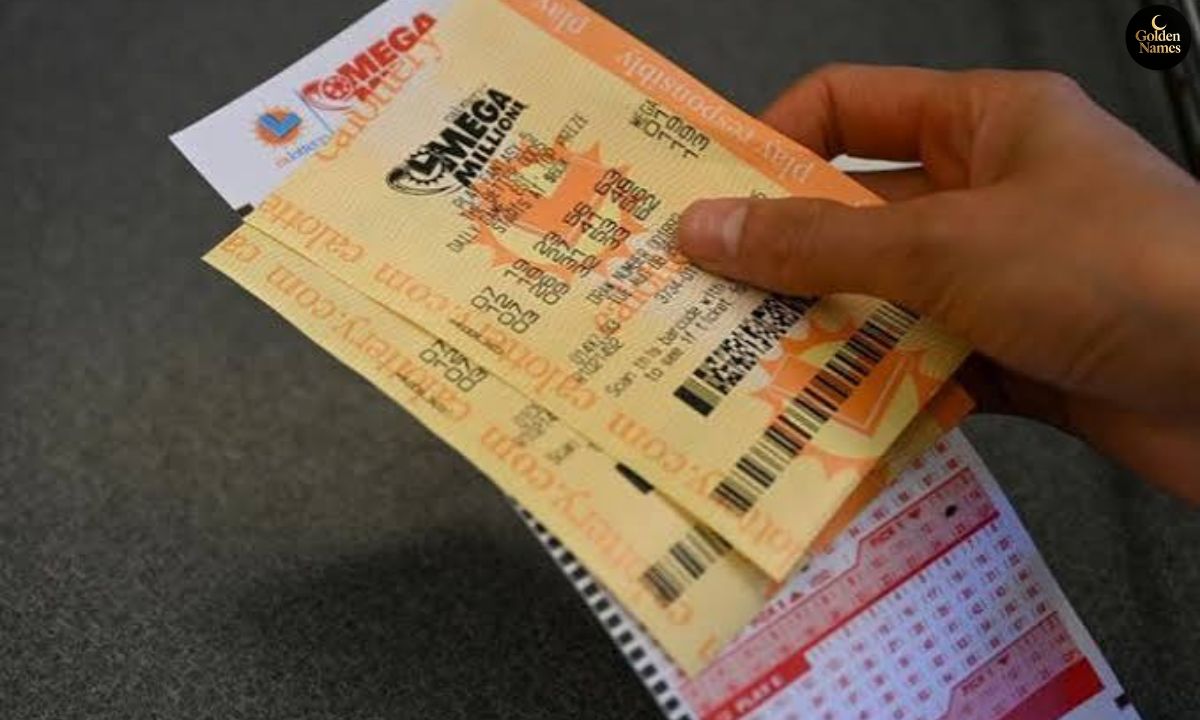
Buying Mega Millions tickets gives millions of people the chance to win some of the largest lottery jackpots in the United States. As the jackpot grows into the hundreds of millions of dollars, more players buy Mega Millions tickets for a chance to become the next big winner.
Before purchasing a ticket, it’s helpful to understand how the game works. Learning the rules, ticket price, drawing schedule, odds of winning, and prize options can help you make informed decisions and play responsibly.
This guide covers everything you need to know about Mega Millions tickets, including how to play, where to buy tickets, how the jackpot and prizes work, the odds of winning, and answers to the most common questions players ask.
What Exactly Is Mega Millions?
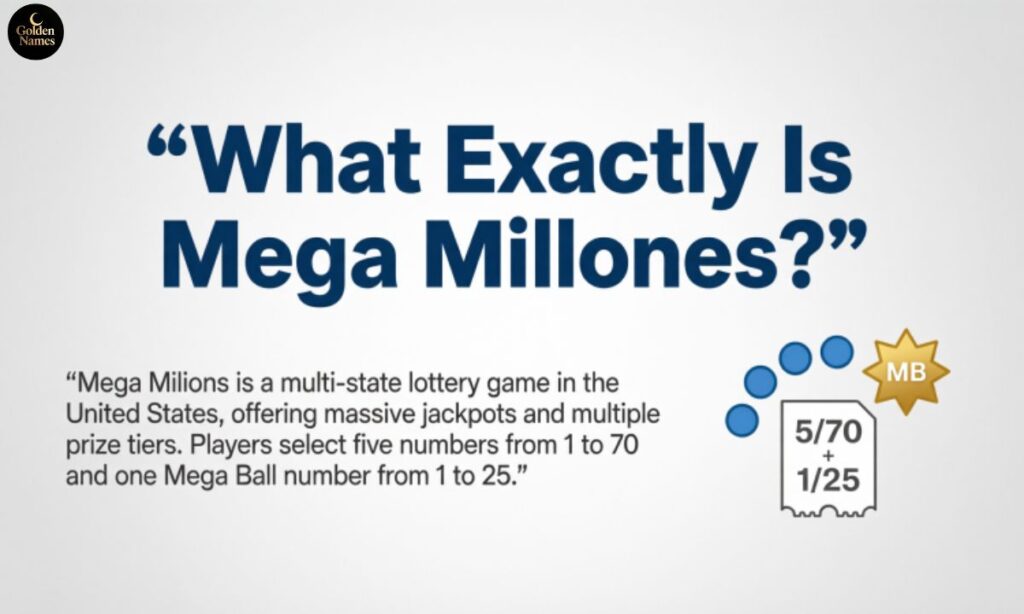
Mega Millions is one of the two major lottery games in the United States, played across 45 states plus Washington D.C. and the U.S. Virgin Islands. You’ve probably heard about it through news headlines announcing massive jackpots, but the basic concept is straightforward: you pick numbers, the lottery draws numbers, and if they match, you win.
The game has been around since 1996, though it’s changed quite a bit over the years. What started as The Big Game eventually became Mega Millions and evolved into what we know today. The reason it gets so much attention is simple, the jackpots can be absolutely enormous. We’re talking hundreds of millions of dollars. In recent years, we’ve seen jackpots exceed 800 million dollars, which naturally leads to a buying frenzy.
How Does Mega Millions Actually Work?
Here’s where it gets specific. When you play Mega Millions, you need to pick five numbers between 1 and 70, plus one Mega Ball number between 1 and 25. That’s the basic ticket. The drawing happens twice a week, on Tuesday and Friday nights at 11 p.m. Eastern Time.
The lottery commission draws five white balls from a machine containing 70 balls, then draws the gold Mega Ball separately. Your job is to match those numbers. And yes, the Mega Ball is the key to winning that jackpot everyone talks about. If you match all five regular numbers plus the Mega Ball, congratulations, you’ve won the Mega Millions jackpot.
But here’s something important that many people don’t realize: you don’t have to match all the numbers to win something. You can win smaller prizes by matching just some of the numbers. This is where the game becomes more interesting than most people assume.
Prize Breakdown: What Can You Actually Win?
This is where Mega Millions differs from some other lottery games. You’ve got multiple prize tiers, not just the big jackpot.
Jackpot (Match All 5 + Mega Ball): This is the big one. The amount varies depending on how many tickets were sold and whether anyone won in previous drawings. When nobody wins, the jackpot rolls over to the next drawing, which is why you see those crazy-high numbers sometimes.
Match 5 Winners (Without Mega Ball): This is genuinely interesting. If you match all five white numbers but get the Mega Ball wrong, you win a fixed prize of $1 million. Even without the Mega Ball, that’s still a significant win. And here’s a feature unique to Mega Millions: if you add the Megaplier option to your ticket (more on that in a moment), you can multiply that $1 million prize up to $5 million. That’s a big jump.
Other Prize Tiers: You can also win smaller amounts by matching fewer numbers—like four numbers, three numbers, and so on. These prizes range from a few hundred to a few thousand dollars. They’re not life-changing, but they do happen regularly.
What’s This Megaplier Thing?
The Megaplier is an optional add-on that costs an extra dollar on top of your regular ticket. If you win a non-jackpot prize, the Megaplier can multiply it by 2, 3, 4, 5, or even 10 times. It doesn’t affect the jackpot, but it can really boost your smaller prizes.
Let’s say you win $1 million for matching five numbers. With Megaplier, that could become $5 million. That’s a massive difference. The Megaplier is drawn at random each drawing, so you never know which multiplier will apply until the results come in.
Many players add Megaplier to their tickets because the extra dollar is relatively small compared to the potential boost. Whether it makes sense for you depends on your budget and how you play.
Understanding Your Odds
Let’s be honest: your odds of winning the Mega Millions jackpot are incredibly slim. We’re talking about 1 in 302.6 million. That’s not me being negative, that’s just the math. To put it in perspective, you’re more likely to be struck by lightning multiple times in your lifetime than win this jackpot.
But again, you don’t have to win the jackpot to win something. Your odds of winning any prize at all are about 1 in 24. That’s much better. If you play regularly, you’ll eventually win something, though it’ll probably be a small amount that doesn’t cover your ticket cost.
Here’s what matters: understand that you’re not buying a ticket with the expectation of profit. You’re buying entertainment. That’s the healthiest way to approach any lottery game. Treat your lottery budget like you’d treat money you spend on movies or dining out, entertainment expense, not an investment.
Jackpot vs. Cash Option: Which Should You Choose?
If you actually do win that jackpot, you’ll face an important decision almost immediately. You can take the jackpot as an annuity or as a cash lump sum. These are two very different options with serious financial implications.
Annuity: This is the advertised jackpot amount. If the jackpot is $600 million, you get that full amount, but it’s paid out over 29 years in yearly installments. The payments increase by 5% each year. This sounds great, but you’re locked into receiving payments over decades.
Cash Option: This is usually about 50-60% of the advertised jackpot amount. So if the jackpot is $600 million, the cash option might be around $360 million. You get it all at once. It’s less money, but you get it immediately and can do what you want with it.
Most big lottery winners choose the cash option. Why? Because they want control. The annuity ties your money up for three decades, and while the payments increase over time, inflation might reduce their purchasing power. With a cash lump sum, you get the money now and can invest it, hire financial advisors, or make whatever decisions you think are best.
Neither option is definitively better—it depends on your financial situation and personality. Some people want the guaranteed long-term payments. Others prefer the flexibility of immediate access.
Where Can You Actually Buy Mega Millions Tickets?
Mega Millions is available in 45 states, plus Washington D.C. and the U.S. Virgin Islands. That’s 47 jurisdictions total. The game isn’t available in Nevada, Utah, Hawaii, Alaska, or Mississippi, though that list could change if those states decide to participate in the future.
You buy tickets at authorized lottery retailers, typically convenience stores, supermarkets, and gas stations. You can also buy tickets online in some states. Each ticket costs $2 for a standard play, or $3 if you add the Megaplier option.
Some states allow you to set up subscriptions so tickets are automatically purchased for you each drawing. Others require you to buy them manually each time. Check your state’s lottery website to see what options are available where you live.
Common Questions About Winning
What happens if multiple people win? The jackpot gets split equally among all winners. This is why you sometimes see news stories about winners getting less than expected, there were other winners that drawing who shared the prize.
Do I have to claim my prize immediately? No, but you should claim it fairly quickly. Most states give you 180 days to a year to claim your prize. There’s no reason to wait, though. The sooner you claim it, the sooner you can deal with the financial and legal aspects.
Can the lottery refuse to pay? Only if there’s fraud involved or you violated specific rules, like being underage when you bought the ticket. Legitimate wins are always paid out.
What about taxes? Be prepared for significant taxes. Federal taxes will take about 24% immediately, and then you’ll owe more when you file your tax return. State taxes apply too, depending on where you live and where you bought the ticket. Some states don’t tax lottery winnings, while others take a substantial cut.
Red Flags: Lottery Scams to Avoid
This is critical. Scammers love lottery games. They’ll contact people claiming they’ve won a prize they didn’t enter, asking for money “upfront” to claim the prize. This is fraud. The legitimate lottery will never ask you to pay money to claim a prize you won.
If someone contacts you saying you’ve won Mega Millions but you never bought a ticket, it’s a scam. If they ask for wire transfer information or gift cards, it’s a scam. If they want you to pay taxes or processing fees before receiving your winnings, it’s absolutely a scam.
Real lottery organizations don’t work this way. Period.
Smart Tips If You Play
Set a budget. Decide how much you can afford to spend on lottery tickets monthly and stick to it. This isn’t money you expect to get back.
Don’t chase losses. Just because you haven’t won yet doesn’t mean you should buy more tickets next time.
Play with others if you want. Office pools and family syndicates are common. Just make sure everyone agrees on how winnings will be split if you hit it big. Get something in writing, even if it’s informal.
Consider lottery syndicates. Some companies offer fractional ownership in lottery tickets. You’re basically pooling money with many others to buy tickets. Your odds of winning improve slightly, but your prize is divided among participants.
Check your tickets. Surprisingly, some people win and never claim their prizes because they didn’t check their tickets carefully. Make it a habit to look at your numbers, especially for significant drawings.
The Psychology Behind Playing
People play lottery games for different reasons. Some genuinely enjoy the entertainment value and the daydreaming aspect. Others see it as a small price for hope. And yes, some struggle with compulsive gambling behavior around lotteries.
The truth is, playing the lottery isn’t inherently bad. Playing responsibly is what matters. If you can afford it, enjoy the entertainment value, and don’t let it interfere with your financial stability, go ahead and play.
But if you’re someone who struggles with gambling impulses, skips bills to buy lottery tickets, or convinces yourself that winning the lottery is your financial plan, you should probably avoid playing entirely. The lottery does target vulnerable people with marketing, and that’s worth acknowledging.
Comparing Mega Millions to Other Games
Powerball is the other major multi-state lottery game in the U.S. Both offer massive jackpots. Mega Millions odds are slightly different, 1 in 302.6 million versus Powerball’s 1 in 292.2 million. Powerball typically has bigger jackpots lately, but Mega Millions is available in more states and has that unique Match 5 prize structure.
State lotteries offer different odds and prize structures. Scratch-off tickets give you instant results. Daily number games like Pick 3 or Pick 4 have better odds but smaller prizes. There’s no objectively “best” lottery game, it depends on what appeals to you.
Frequently Asked Questions
How often do drawing take place
Twice weekly on Tuesday and Friday at 11 p.m. ET.
Can I buy tickets online everywhere
No. Only about half the states allow online lottery purchases. Check your state’s lottery website to see if it’s available where you live.
What’s the youngest age you need to be to play
You must be at least 18 years old to purchase lottery tickets in all states.
Do I need to sign the back of my ticket
Yes. Many winners recommend signing the back of your ticket immediately to establish ownership. Keep it somewhere safe.
Can non-U.S. citizens play
This depends on state laws, but generally, you must be a U.S. resident to purchase tickets legally.
How is the jackpot amount determined
The jackpot starts at a certain amount and grows based on ticket sales. More ticket sales mean higher jackpots.
The Bottom Line
Mega Millions is entertaining, accessible, and offers the genuine possibility of life-changing money, even if the odds are astronomical. The game is legitimate, the rules are transparent, and winners do get paid.But let’s be real: it shouldn’t be your retirement plan. The lottery should be entertainment money, not money you need for bills or savings. Play if you enjoy it, but play smart. Set a budget, understand the odds, and remember that you’re unlikely to win but might win something small eventually.
The lottery industry is betting that most people will play exactly as they should, spending small amounts hoping for a big win they’re statistically unlikely to experience. That’s their business model, and it’s been working for decades.Know what you’re getting into, enjoy the entertainment value if it appeals to you, and never let lottery playing interfere with your financial health or stability. That’s the real winning strategy.