

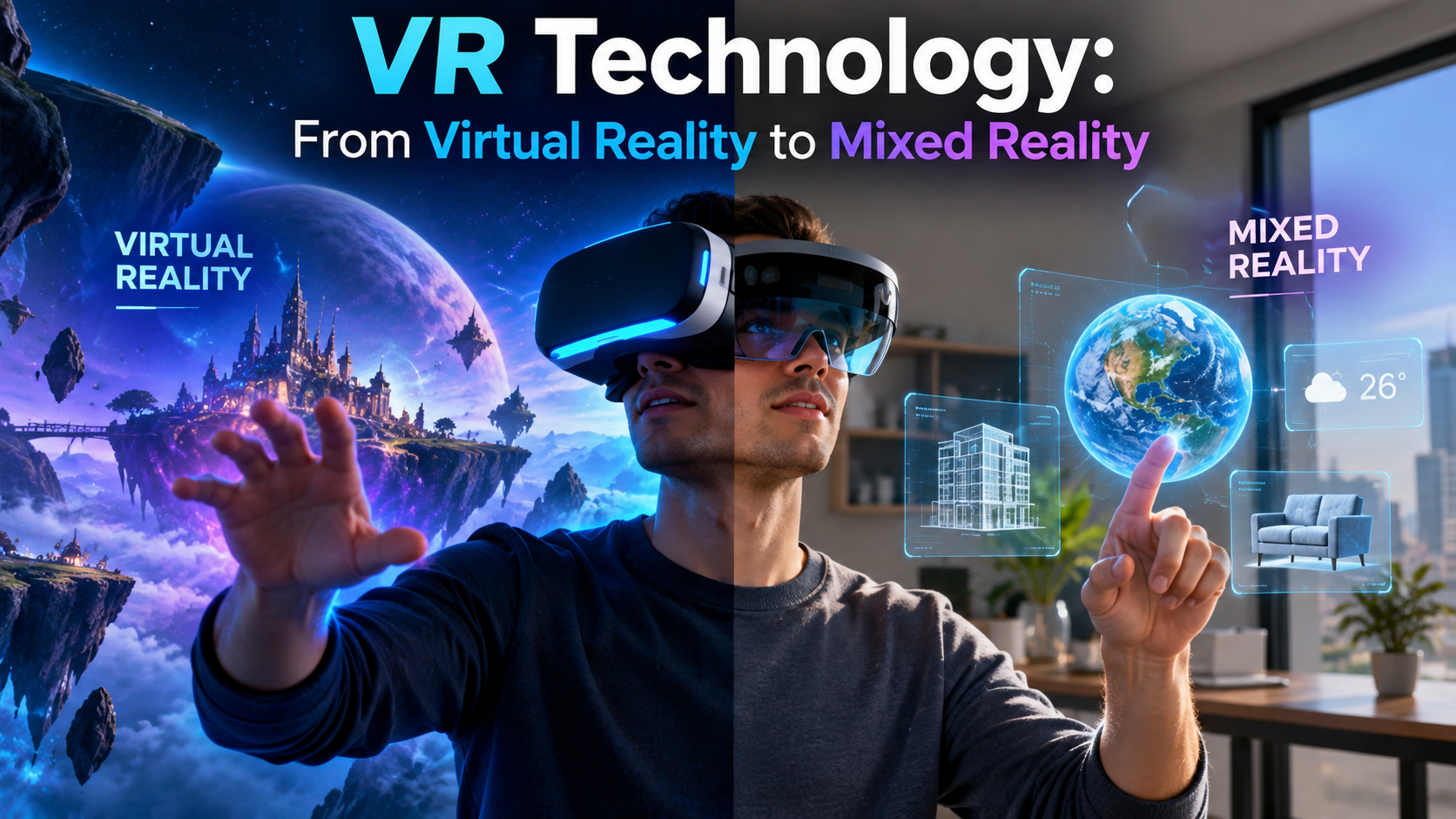
Virtual reality (VR) technology has taken the world by storm, transforming how we interact with digital content. Imagine stepping into a universe where the boundaries of reality blur and imagination knows no limits. With VR headsets becoming more accessible and advanced, this immersive experience is not just confined to gaming anymore; it’s redefining everything from education to entertainment.
As streaming services evolve, they’re beginning to offer captivating experiences that transport us directly into our favorite shows and movies. Mixed reality adds another layer, merging real-world elements with virtual ones for an even richer interaction. Yet, as we dive deeper into these worlds, questions about privacy arise especially when it comes to personal data in such intimate settings.
This blog will explore all facets of VR technology and entertainment while addressing some of the more sensitive topics that come along for the ride. Buckle up as we navigate through this fascinating digital landscape!
The Evolution of VR Headsets
The journey of VR headsets has been nothing short of revolutionary. From bulky designs to sleek, lightweight models, technology has advanced at an astonishing pace. Early prototypes often required extensive setups and were limited in functionality.
As the years progressed, consumer-friendly options emerged. Companies began prioritizing comfort and performance without sacrificing immersion. The introduction of inside-out tracking transformed how users interacted with virtual environments.
Today’s headsets boast impressive resolutions and refresh rates that enhance realism like never before. Wireless capabilities have made movement unrestricted, allowing for a more natural experience.
Major players in the industry continue to innovate, bringing mixed reality elements into play. This new wave not only captivates gamers but also opens doors for educational applications and social experiences within digital spaces.
With each advancement in VR headset technology, we’re inching closer to fully immersive worlds where imagination knows no bounds.
The Rise of Streaming in the VR World
Streaming has transformed how we consume media, and VR is no exception. As technology advances, platforms are finding innovative ways to deliver immersive experiences directly to users.
Virtual reality streaming allows viewers to engage with content in a way that traditional formats can’t match. Imagine being transported into your favorite movie scene or attending a live concert from the comfort of your home.
With services like VRSpy leading the charge, accessibility is increasing rapidly. The catalog of available content grows daily, including everything from epic adventures to art galleries.
This shift also encourages creators to experiment more freely within this medium. They can blend storytelling with interactivity in fascinating ways. Users not only watch but become part of narratives unfolding around them.
As streaming continues to evolve in the VR realm, it promises limitless possibilities for entertainment and connection across diverse audiences worldwide.
Mixed Reality: Blurring the Lines between Real and Virtual
Mixed reality is transforming how we perceive our surroundings. By merging the physical and digital worlds, it creates an immersive experience that feels remarkably seamless. Imagine walking through your living room, while virtual elements enhance that space.
With mixed reality (MR), users can interact with holograms as if they were part of their environment. This technology allows for new forms of storytelling and gaming that captivate audiences in unprecedented ways.
Applications span beyond entertainment too. Education and training programs use MR to provide hands-on experiences without real-world risks. Professionals can practice complex tasks in a safe setting, enhancing skills effectively.
As this technology advances, so do its possibilities. The lines between what is real and what is not continue to blur, inviting endless creativity and innovation into everyday life. Mixed reality isn’t just a trend; it’s shaping the future of human interaction with technology like never before.
Digital Entertainment in VR: A New Way to Experience Media
Digital entertainment has taken a thrilling leap with the advent of VR technology. Imagine stepping inside your favorite movie or game, feeling every moment as if it were real.
Virtual reality offers an immersive experience that traditional screens simply can’t match. Whether it’s exploring fantastical worlds in games or watching films from a front-row seat, the possibilities are endless.
Social interactions have evolved too. Friends can gather in virtual spaces to enjoy content together, transcending geographical barriers and enhancing shared experiences.
Music concerts and art exhibitions have also found new life through VR platforms. Users can engage with performances and installations like never before, creating emotional connections that linger long after the headset is removed.
As digital media continues to evolve within this realm, audiences are bound to discover even more innovative ways to connect with their favorite content while enjoying unique storytelling perspectives.
Balancing Privacy and Immersion in VR
As VR technology advances, the balance between privacy and immersion becomes increasingly delicate. Users are eager to dive into rich virtual worlds, yet they often overlook what this entails for their personal data.
When donning a VR headset, users enter an immersive experience that can gather vast amounts of information. This includes everything from physical movements to biometric data. The thrill of exploration can overshadow concerns about how these details are stored or used.
Developers face the challenge of creating engaging environments while ensuring user confidentiality. Transparency in data collection practices is crucial for building trust in this burgeoning medium.
The Controversy Surrounding Mature Content in VR
The emergence of VR technology has opened doors to a spectrum of content, including mature themes. This aspect often sparks heated debates among users and developers alike.
Critics voice concerns over potential psychological impacts. They argue that immersive experiences could blur the lines between fantasy and reality. The fear is that such content may influence behavior or shape perceptions in unexpected ways.
On the flip side, advocates highlight user agency. They believe adults should have the freedom to access diverse forms of entertainment, provided they can opt-in without limitations. .
Conclusion
As we look ahead, the landscape of VR technology and entertainment is set to evolve in fascinating ways. Innovations are emerging at a rapid pace, enhancing both user experience and accessibility. The potential for immersive environments will continue to grow, enabling users to step into worlds that were once confined to their imagination.
The integration of mixed reality stands out as a significant trend, offering seamless interactions between digital content and the physical world. This advancement can transform how we engage with media and each other. Additionally, streaming services tailored specifically for VR experiences are likely to expand access to diverse types of content.