

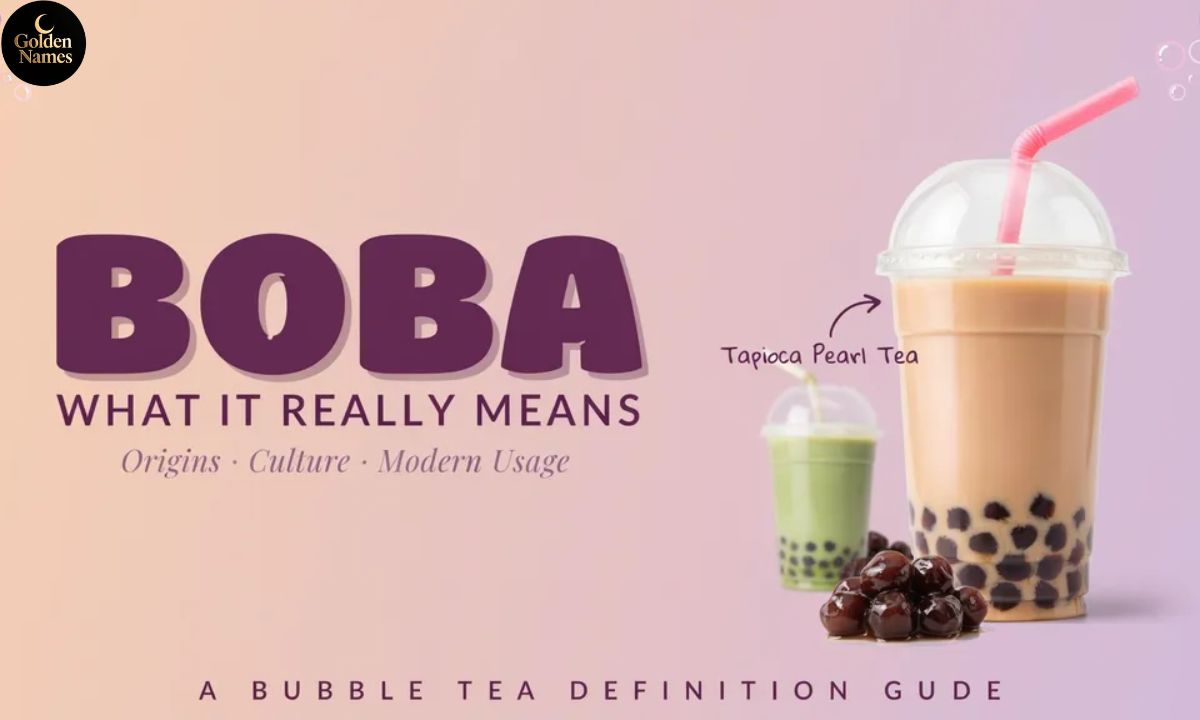
The word “boba” has become incredibly popular over the past decade. You’ll see it on drink menus, social media posts, TikTok videos, text messages, and even in everyday conversations. Yet many people still wonder about the actual boba definition meaning.
Is boba the drink itself
Is it the chewy pearls at the bottom
Is it another name for bubble tea
The answer is a little more interesting than most people realize.
Today, the term “boba” can refer to both the famous Taiwanese tea drink and the tapioca pearls inside it. Depending on the context, people may use the word differently. In some online conversations, boba can even carry cultural or slang meanings.This guide explains everything you need to know about the meaning of boba, where the word came from, how it is used today, and why it has become a global phenomenon.
What Is the Definition of Boba
The simplest definition of boba is:
Boba refers to the chewy tapioca pearls used in bubble tea and can also refer to the entire drink itself.
Most dictionaries recognize both meanings.
When someone says:
I love boba
They could mean:
- The tapioca pearls
- Bubble tea
- The overall boba experience
The intended meaning usually becomes clear from the conversation.
Quick Definition Table
| Term | Meaning |
| Boba | Tapioca pearls or bubble tea |
| Bubble Tea | Tea-based drink with toppings |
| Pearl Milk Tea | Traditional milk tea with tapioca pearls |
| Tapioca Pearls | Chewy balls made from tapioca starch |
| Boba Tea | Another name for bubble tea |
What Does Boba Mean in English
In modern English, boba generally means one of two things:
Meaning 1: Tapioca Pearls
This is the original food-related meaning.
Boba pearls are small chewy balls made from tapioca starch extracted from cassava root.
They are typically:
- Black or dark brown
- Slightly sweet
- Soft and chewy
- Served in specialty drinks
Example:
I ordered extra boba in my milk tea.
In this sentence, boba clearly refers to the pearls.
Meaning 2: Bubble Tea
Over time, many English speakers began using “boba” as shorthand for the entire beverage.
Example:
Let’s go get boba after class.
Here, the speaker is talking about getting bubble tea rather than buying a cup of pearls.
This usage is especially common among younger generations.
Where Did the Word Boba Come From
The origin of the word traces back to Taiwan, where bubble tea first became popular during the 1980s.
The drink was created by combining tea, milk, sweeteners, and tapioca pearls.
As the beverage spread throughout Asia and later the United States, the name “boba” traveled with it.
The term eventually entered mainstream English vocabulary and became widely recognized by dictionaries and media outlets.
Today, millions of people use the word without realizing it originated from Taiwanese tea culture.
What Is Bubble Tea
To understand boba fully, it helps to understand bubble tea.
Bubble tea is a tea-based beverage that often includes:
- Black tea
- Green tea
- Oolong tea
- Milk
- Sweeteners
- Tapioca pearls
- Fruit flavors
The drink can be served:
- Hot
- Cold
- Blended
- Iced
Bubble tea became popular because it combines flavor and texture in a way that few beverages do.
Instead of simply drinking a liquid, people also chew the pearls while they sip.
Why Is It Called Bubble Tea
Many people assume the “bubble” refers to the tapioca pearls.
Interestingly, that is not how the name originally developed.
The term “bubble tea” is believed to have come from the foam or bubbles created when tea ingredients were shaken together.
Over time, people began associating the word “bubble” with the pearls themselves.
Today, both interpretations are widely accepted.
What Are Boba Pearls Made Of
One of the most common questions people ask is:
What is boba made from
Traditional boba pearls contain:
- Tapioca starch
- Water
- Brown sugar
The tapioca starch comes from cassava root, a starchy vegetable grown in tropical regions.
The ingredients are mixed into dough, rolled into balls, and cooked until they become soft and chewy.
Ingredients Breakdown
| Ingredient | Purpose |
| Tapioca Starch | Creates the chewy texture |
| Water | Forms the dough |
| Brown Sugar | Adds sweetness and color |
The result is the signature texture that boba fans love.
What Does Boba Taste Like
Many first-time drinkers are surprised by the taste.
The pearls themselves have a mild flavor.
Most of the sweetness comes from the syrup used during preparation.
People often describe boba as:
- Slightly sweet
- Caramel-like
- Chewy
- Soft
- Similar to mochi texture
The drink surrounding the pearls contributes most of the flavor.
For example:
- Taro boba tastes nutty and creamy
- Matcha boba tastes earthy
- Brown sugar boba tastes rich and caramelized
- Fruit tea boba tastes refreshing and sweet
Different Types of Boba
Not all boba is the same.
Modern tea shops offer many varieties.
Classic Tapioca Boba
The original version.
Characteristics:
- Dark color
- Chewy texture
- Brown sugar flavor
Popping Boba
Unlike tapioca pearls, these contain fruit juice inside.
Popular flavors include:
- Mango
- Strawberry
- Lychee
- Blueberry
- Passion fruit
When bitten, they burst and release juice.
Crystal Boba
Crystal boba is translucent and lighter in texture.
It is commonly made from plant-based ingredients and often has fewer calories.
Mini Boba
Smaller pearls designed for easier sipping.
Many customers prefer them because they fit through regular straws more easily.
Why Has Boba Become So Popular
Boba’s popularity comes from several factors.
Unique Texture
Most beverages offer flavor only.
Boba adds texture, making the experience more interactive.
Endless Customization
Customers can choose:
- Tea type
- Sweetness level
- Ice level
- Milk option
- Toppings
Social Media Appeal
Colorful drinks photograph well.
Platforms such as TikTok and Instagram helped introduce bubble tea to new audiences.
Cultural Significance
For many Asian communities, boba represents culture, identity, and shared experiences.
Boba Culture Around the World
What started in Taiwan has become a global trend.
Today, boba shops can be found in:
- United States
- Canada
- United Kingdom
- Australia
- Singapore
- Malaysia
- Japan
- South Korea
- Pakistan
- United Arab Emirates
The drink continues to grow in popularity among people of all ages.
What Does Boba Mean in Texting
Sometimes the word appears in text messages and social media conversations.
In most cases, it still refers to bubble tea.
Examples:
I need boba today.
Want to grab boba later
Just got my favorite boba order.
However, online communities occasionally use boba as a cultural reference rather than a literal drink.
In these situations, the meaning depends heavily on context.
Example Text Conversations
Friend 1:
Where are you
Friend 2:
At the boba shop.
Meaning:
Friend 2 is at a bubble tea store.
Example:
I’m craving boba.
Meaning:
The person wants bubble tea.
Common Boba Flavors
One reason boba remains popular is the huge variety of flavors available.
Popular options include:
Milk Tea Flavors
- Classic milk tea
- Brown sugar milk tea
- Jasmine milk tea
- Thai milk tea
- Oolong milk tea
Fruit Tea Flavors
- Mango
- Peach
- Strawberry
- Lemon
- Passion fruit
Specialty Flavors
- Matcha
- Taro
- Coffee
- Chocolate
- Honeydew
Every shop offers unique combinations.
Is Boba Healthy
This question does not have a simple yes or no answer.
Potential Benefits
Some tea bases contain:
- Antioxidants
- Plant compounds
- Moderate caffeine
Certain fruit teas may contain fewer calories than milk-based versions.
Potential Drawbacks
Some drinks contain:
- High sugar levels
- Added syrups
- High calorie counts
Choosing lower sweetness levels can make a significant difference.
Healthier Ordering Tips
- Request less sugar
- Choose unsweetened tea
- Select smaller sizes
- Limit extra syrups
- Consider plant-based milk
Moderation is generally the best approach.
Real-World Example of Ordering Boba
Imagine visiting a bubble tea shop for the first time.
You might order:
Brown Sugar Milk Tea with Classic Boba
The drink includes:
- Black tea
- Milk
- Brown sugar syrup
- Tapioca pearls
The server provides a large straw designed specifically for the pearls.
As you drink, both tea and pearls travel through the straw together.
This combination of sipping and chewing is a major part of the experience.
Pros and Cons of Boba
Pros
- Unique texture
- Wide flavor variety
- Highly customizable
- Fun social experience
- Available worldwide
Cons
- Can contain significant sugar
- Premium drinks may be expensive
- Not all pearls stay fresh for long
- Some people dislike chewy textures
Common Mistakes and Misconceptions
Mistake 1: Boba and Bubble Tea Are Different Things
In everyday usage, they usually refer to the same drink experience.
Mistake 2: Boba Is Jelly
Traditional boba is made from tapioca starch, not gelatin.
Mistake 3: All Boba Is Black
Boba comes in multiple colors and styles.
Mistake 4: Bubble Tea Always Contains Milk
Many versions are fruit-based and completely dairy free.
Mistake 5: Popping Boba and Tapioca Boba Are Identical
They have entirely different ingredients and textures.
Frequently Asked Questions
What is the exact meaning of boba
Boba refers to chewy tapioca pearls and also the bubble tea drink that contains them.
Is boba the drink or the pearls
It can mean either one depending on the context.
What does boba stand for
Boba is not an acronym. It is a word associated with bubble tea culture and tapioca pearls.
What is another word for boba
Common alternatives include:
- Bubble tea
- Pearl tea
- Pearl milk tea
- Boba tea
Why do people love boba so much
Most fans enjoy the combination of flavor, texture, customization, and social experience.
Is boba suitable for children
Many children enjoy boba drinks, though parents may wish to monitor sugar and caffeine intake.
What is the difference between boba and popping boba
Traditional boba is chewy tapioca. Popping boba contains liquid fruit juice that bursts when bitten.
Can you eat boba by itself
Yes. Many people eat the pearls separately as a snack or dessert topping.
Conclusion
Understanding the boba definition meaning is easier once you know the two primary uses of the word. Boba can refer to the chewy tapioca pearls found in bubble tea, and it can also describe the entire beverage itself. Originating in Taiwan and spreading across the world, boba has evolved from a regional specialty into a global cultural icon.
Whether you enjoy classic milk tea, fruity refreshers, popping boba, or brown sugar pearls, the appeal remains the same. Boba offers something few drinks can provide: flavor, texture, customization, and a memorable experience in every sip. The next time someone mentions boba, you’ll know exactly what they mean and why this simple word has captured the attention of millions worldwide.