

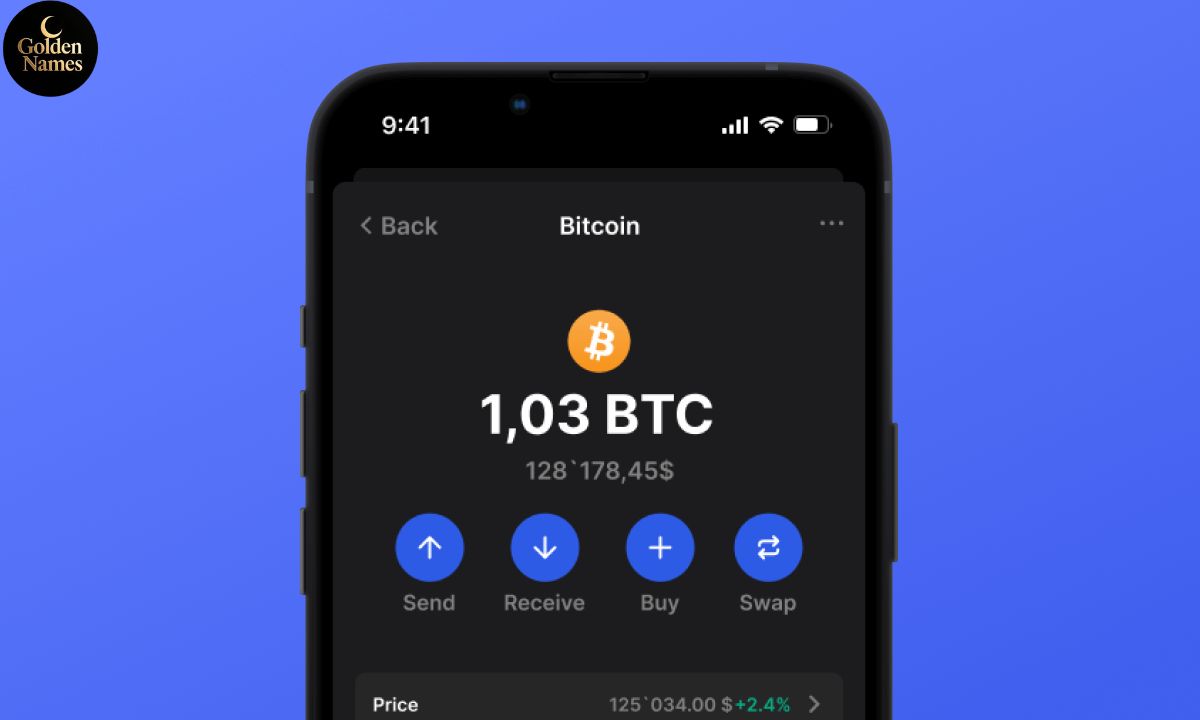
If you own Bitcoin or you’re thinking about getting into cryptocurrency, one of the first things you need to understand is how to store it safely. That’s where a Bitcoin wallet comes in. Whether you’re a complete beginner or someone who’s been following the crypto space, knowing how to choose and use the right wallet can make a huge difference in protecting your assets and making transactions easier.
A Bitcoin wallet isn’t like a physical wallet you carry in your pocket. It’s actually a software application or device that manages your private keys and public addresses, two essential components that let you send, receive, and store Bitcoin. Think of it like having a highly secure mailbox for your cryptocurrency that only you can access with your private key.
Understanding the Basics of Bitcoin Wallets
Before diving into different wallet types, let’s break down what’s actually happening when you use a Bitcoin wallet. Every wallet contains two crucial pieces of information: a public key and a private key.
Your public key is like your email address. You can share it with anyone without worry. When someone wants to send you Bitcoin, they use your public key (also displayed as a wallet address, often starting with 1, 3, or bc1). The network uses this address to confirm where the Bitcoin should go.
Your private key is your password to everything. It’s what allows you to actually move Bitcoin out of your wallet. Whoever controls the private key controls the Bitcoin. This is why security experts always emphasize never sharing your private key with anyone, ever. If someone gets access to it, they can drain your wallet completely, and there’s no way to get the funds back.
The Main Types of Bitcoin Wallets: Which Is Right for You?
Bitcoin wallets come in several different forms, each with its own advantages and trade-offs. Understanding the differences helps you make a smart choice based on what you’re actually trying to do.
Mobile Wallets: Convenience for Daily Use
Mobile wallets are applications you download on your smartphone or tablet. They’re designed for everyday transactions and quick access to your Bitcoin. If you’re someone who wants to make payments on the go or check your balance regularly, a mobile wallet is probably the most practical choice.
Here’s the appeal: they’re portable, easy to use, and many support QR code scanning for fast payments. Popular mobile options include Blue Wallet, Exodus, and Blockstream Green. You can send and receive Bitcoin with just a few taps.
The trade-off? Mobile phones are connected to the internet and can be vulnerable to malware or theft. If you lose your phone or it gets stolen, someone could potentially access your wallet. That’s why security experts recommend keeping only the amount of Bitcoin you’re comfortable spending on a mobile wallet, think of it like carrying cash. Keep larger amounts elsewhere.
Desktop Wallets: More Control and Better Security
Desktop wallets are software programs you install on your computer. They give you significantly more control over your Bitcoin than mobile wallets. Programs like Electrum, Sparrow Wallet, and Bitcoin Core are popular among people who take their security seriously.
What makes them appealing is the level of control. You’re managing your own private keys directly, meaning no company or third party is involved. Some desktop wallets can also work with hardware wallets (more on those in a moment) for an extra layer of security. You can see exactly what’s happening with your transaction and customize fees when sending Bitcoin.
The downside is that your computer needs to be secure. Malware, viruses, and spyware can potentially compromise your wallet if your system isn’t well-protected. You also need to backup your wallet properly, if you lose your recovery phrase and your computer crashes, your Bitcoin could be lost forever.
Hardware Wallets: Maximum Security for Serious Investors
Hardware wallets are physical devices that store your private keys offline. Think of them like a USB drive designed specifically for cryptocurrency security. Devices like Ledger Nano S, Trezor, and Coldcard are considered the gold standard for secure Bitcoin storage.
Why are they so secure? Your private keys never leave the device. Even if your computer is infected with malware, hackers can’t access your Bitcoin. When you want to send Bitcoin, the hardware wallet confirms the transaction on its screen before approving it. This means even if someone has remote access to your computer, they can’t move your funds without physically holding your hardware wallet.
The trade-offs are minimal if you’re holding significant amounts of Bitcoin, but they exist. Hardware wallets cost money (usually between 50-200 dollars). They’re not convenient for frequent, small purchases. And if you lose the device, you need to have backed up your recovery seed phrase, or the Bitcoin could be lost forever.
Critical Features to Look for in a Bitcoin Wallet
Not all wallets are created equal. When evaluating options, certain features matter more than others.
Control and Private Keys: Does the wallet give you access to your private keys? Or does a company control them for you? The principle here is simple: if you don’t control the private keys, you don’t truly control your Bitcoin. Look for wallets that are non-custodial, meaning you have full control.
Open-Source Code: Some wallets publish their code publicly. This transparency means the security community can audit it and find vulnerabilities. It’s a sign the developers aren’t hiding anything.
Security Features: Does it support two-factor authentication? Can you use it with a hardware wallet? These features add layers of protection.
Fee Control: Can you set your own transaction fees, or does the wallet set them for you? This matters especially during high-traffic periods when network fees spike.
Privacy: Some wallets rotate addresses for each transaction, making it harder to track your activity. If privacy is important to you, Monero focuses on this, and tools like Wasabi Wallet offer enhanced privacy features.
Common Mistakes People Make with Bitcoin Wallets
Learning from other people’s mistakes can save you a lot of headache. Here are the most common errors:
Storing Too Much on a Hot Wallet: A “hot wallet” is any wallet connected to the internet. Keeping large amounts here is risky. The best practice is to keep only what you’re actively using on hot wallets, and store the rest on hardware wallets or cold storage.
Losing or Forgetting Your Recovery Phrase: Your recovery seed phrase is your backup if something happens to your wallet. Lose it, and you’ve lost access to your Bitcoin. Write it down (not digitally), store multiple copies in secure locations, and never take a screenshot.
Using Weak Passwords: If you set a password for your wallet, make it strong. Hackers use sophisticated tools to crack weak passwords. Use a combination of letters, numbers, and symbols.
Rushing Through Setup: Take your time when creating a wallet. Read the instructions, write down everything you’re supposed to write down, and never skip security recommendations just because they’re inconvenient.
Falling for Fake Wallets: Always download wallets from official sources. Check the website carefully, scammers sometimes create fake lookalike sites with slightly different URLs. Verify the download link in the browser address bar.
Bitcoin Wallets in Real Life: How People Actually Use Them
Let’s look at how different people might use Bitcoin wallets based on their situations.
Sarah’s Story: Sarah is a freelancer who accepts Bitcoin payments from international clients. She uses a mobile wallet like Blue Wallet to receive payments quickly, then transfers larger amounts to a desktop wallet daily. For her long-term savings, she uses a hardware wallet kept at home in a safe.
Mike’s Approach: Mike is a long-term Bitcoin investor who bought Bitcoin five years ago and plans to hold it for another ten. He uses a hardware wallet that he updates once a year, keeps his recovery phrase in a safety deposit box at his bank, and never checks his balance obsessively. He’s comfortable with the inconvenience because security is his main priority.
Carmen’s Method: Carmen actively trades Bitcoin, so she needs fast access. She uses a desktop wallet with robust security features and keeps only a portion of her holdings there. She’s learned about network fees, transaction times, and other technical details because she needs to optimize her trading setup.
Wallets Compared: Pros and Cons at a Glance
| Wallet Type | Advantages | Disadvantages |
| Mobile | Convenient, portable, QR scanning, easy setup | Vulnerable to theft, requires secure device |
| Desktop | Full control, customizable, can pair with hardware wallet | Requires secure computer, malware risk |
| Hardware | Maximum security, offline storage, ideal for large amounts | Upfront cost, less convenient for frequent use |
Security Best Practices: Protecting Your Bitcoin
Security is the number one concern with Bitcoin wallets. Here’s what actually works:
Backup Your Recovery Phrase: This phrase (usually 12 or 24 words) is your ultimate backup. If you write it down and store it safely, you can recover your wallet from any device, anywhere. Without it, a lost wallet means lost Bitcoin.
Never Share Private Information: Your private key, recovery phrase, and passwords should never be shared with anyone. Real support staff will never ask for these.
Use Hardware Wallets for Large Amounts: If you’re holding significant Bitcoin, a hardware wallet is the safest option. The investment pays for itself through the security it provides.
Keep Your Software Updated: Make sure you’re running the latest version of your wallet software. Updates often contain security fixes.
Double-Check Addresses: Before sending Bitcoin, always verify the receiving address carefully. A single character wrong sends your Bitcoin to a different address permanently.
Frequently Asked Questions About Bitcoin Wallets
What happens if I forget my wallet password
It depends on your wallet. If you have your recovery phrase backed up, you can restore your wallet on any device. If you don’t have the recovery phrase, the password usually can’t be reset, meaning your Bitcoin may be lost forever. This is why backing up your recovery phrase is critical.
Is it safe to store Bitcoin on an exchange
Exchanges are convenient for buying and selling, but they’re not ideal for long-term storage. The exchange controls your private keys, not you. If the exchange gets hacked or goes out of business, your Bitcoin could be at risk. For amounts you’re holding longer than a few days, move them to your own wallet.
Can I use the same wallet on multiple devices
Yes, if you have your recovery phrase. You can restore the same wallet on multiple devices. However, this increases the surface area for potential compromises. If one device is compromised, your Bitcoin is at risk on all devices using that wallet.
What’s the difference between a public key and a wallet address
A public key is the long string of characters that generates your wallet address. The wallet address is the shorter, encoded version used for transactions. They’re mathematically related, the address is derived from the public key. Both are safe to share.
How much does a Bitcoin wallet cost
Most software wallets (mobile, desktop, web) are completely free. Hardware wallets typically cost between 50 and 200 dollars depending on the model and features. When you calculate the security benefit for larger holdings, they’re usually worth the investment.
Choosing the Right Wallet for Your Needs
There’s no single “best” Bitcoin wallet. The right choice depends on your specific situation, how much Bitcoin you own, how often you need to access it, and how technically comfortable you are.If you’re just getting started and want to experiment, a free mobile wallet is a good entry point. As you accumulate more Bitcoin and understand your needs better, you can move to a desktop wallet for more control. For anyone holding serious amounts, a hardware wallet is the responsible choice.
The core principles stay the same no matter which wallet you choose: control your private keys, back up your recovery phrase, keep your devices secure, and think carefully before moving large amounts. Bitcoin offers incredible freedom compared to traditional banking, but that freedom comes with responsibility. Understanding your wallet is the first step toward securing that freedom
1 thought on “Bitcoin Wallet: A Complete Guide to Storing and Managing Your Crypto”