

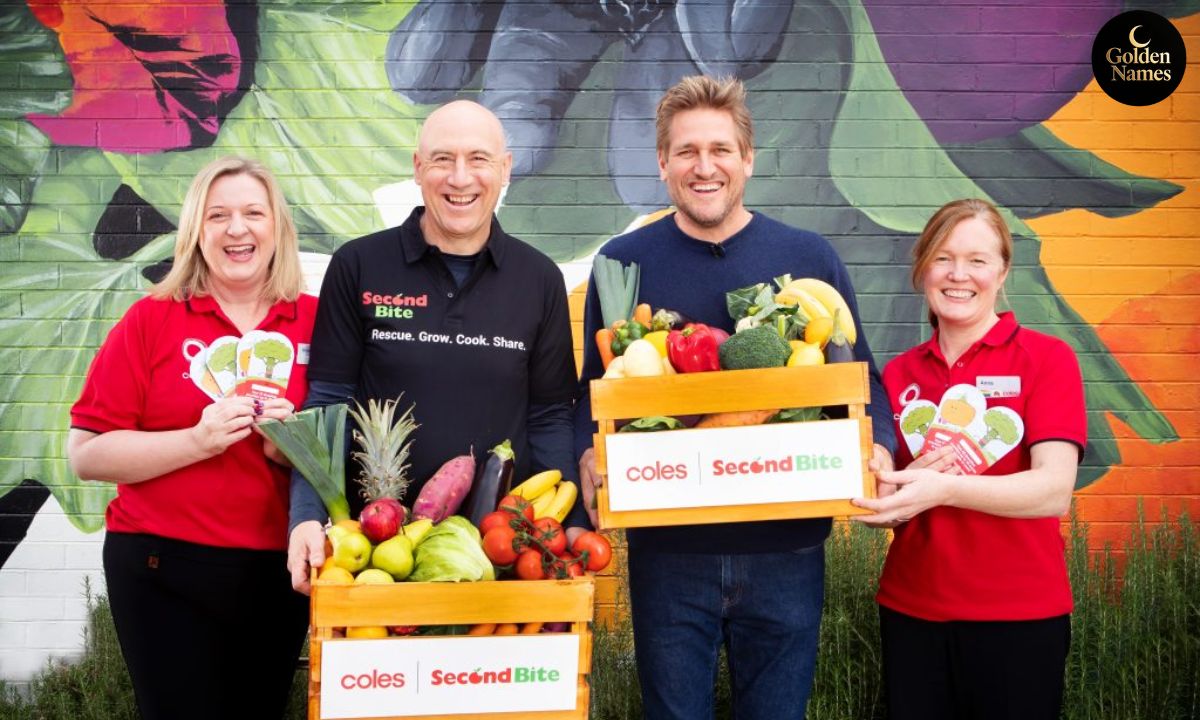
The simple act of buying groceries has become a painful reality check for millions of Australians. Walking into the supermarket has transformed from a routine shopping trip into an anxiety-inducing experience where families have to make impossible choices, food or electricity
Milk or petrol? This is the reality behind Coles’ first-ever Community Food Relief Appeal, a nationwide initiative launched to address a crisis that’s affecting more Australians than most people realize.
What Is the Coles Community Food Relief Appeal?
Think of this appeal as a direct line from your checkout to families in crisis. Between August 5 and September 1, 2024, Coles is giving shoppers an opportunity to donate directly at any checkout across the country. The mechanics are straightforward: customers add their donation when paying for groceries, and those funds go straight to two established food relief organizations, SecondBite and Foodbank Australia.
The beauty of this approach is its simplicity. You’re not navigating complex websites or making transfers. You’re just adding a few dollars at the checkout you’re already using. For many people, it’s become their way of saying “I see what’s happening, and I want to help.
What makes this appeal different from standard charity work is the multi-layered support. Beyond customer donations, participating suppliers are stepping up too. Eleven suppliers have committed to donating 20 cents from every eligible product sold at participating Coles stores and online during the appeal period. This turns everyday shopping into a force for change without customers needing to take extra action.
The Crisis Behind the Appeal: Real Numbers, Real Struggles
Numbers can feel abstract, but these ones tell a story that deserves attention. <cite index=”3-1″>New national research commissioned by Coles, SecondBite and Foodbank estimates 3.6 million Australians experienced food hardship for the first time in the last six months.</cite> That’s not people who’ve always struggled. That’s people who used to cope fine, who paid their bills, who fed their families. Until recently.
What’s driving this? <cite index=”3-1″>The cost of electricity and gas bills (40%), rising fuel and transport costs (37%), and rent or mortgage increases (24%) are among the biggest pressures in the past six months affecting how much households can spend on food.</cite> When you’re choosing between heating your home and feeding your kids, food suddenly becomes the flexible item in the budget, even though it shouldn’t be.
The income squeeze is real. <cite index=”2-1″>Research commissioned by Coles, SecondBite and Foodbank estimates that 41 per cent of Australians have had to choose between buying food and paying another essential bill in the past six months.</cite> That’s nearly one in two people. Think about the people in your life. Statistically, one of them has faced this choice.
Breaking the Stigma: Why People Hesitate to Ask for Help
Here’s where things get uncomfortable. The appeal isn’t just about raising money. It’s about changing how we think about food relief.
<cite index=”3-1″>Nearly half (48%) say they would not access food relief if they needed to because they believe someone else needs it more, while one in three (32%) say they would be too embarrassed to ask.</cite> That’s the hidden part of this crisis. People are struggling, and they’re not seeking help because they carry shame they shouldn’t be carrying.
A retired teacher who’s watching energy bills climb. A single parent juggling two jobs. A family whose rent jumped by a hundred dollars a month. These aren’t people who made bad choices. They’re people whose circumstances changed faster than their income could adjust. Yet many would rather skip meals than admit they need support.
<cite index=”1-1″>”No Australian should feel they have to wait until they’re in crisis before asking for support and this Appeal will help strengthen the ability of charities to provide immediate relief,” said Foodbank Australia chief executive.</cite> This statement cuts to the heart of what the appeal is really trying to do, normalize the conversation around food support.
How Coles Built This on a Foundation of Existing Work
The appeal doesn’t exist in a vacuum. Coles has been quietly doing food rescue work for years. <cite index=”1-1″>Through longstanding partnerships, Coles has helped provide the equivalent of 377 million meals.</cite> That’s a staggering number that most shoppers probably don’t know about.
Every single day, Coles team members set aside perfectly good food that didn’t sell. Fresh produce that’s still edible but approaching its date. Bread from earlier in the day. Rather than dumping it, this food goes to SecondBite and Foodbank, which distribute it through a network of community organizations, charities cooking communal meals, food banks packing hampers, community pantries stocking shelves.
The appeal builds on this foundation. It’s not a new system being invented from scratch. It’s strengthening something that’s already working.
Where the Money Actually Goes: Understanding the Distribution Network
When you donate at the checkout, it’s easy to wonder whether your money actually makes a difference. The path is clearer than you might think.
Your checkout donation goes to SecondBite and Foodbank Australia. These aren’t faceless bureaucracies. They work with over a thousand frontline organizations across the country. Those organizations include local charities running community kitchens, food banks operating from modest storefronts, and neighborhood pantries run by volunteers.
These groups do the actual work that transforms donations into meals. A community kitchen volunteers make soup and casseroles and distribute them hot. A food bank packs bags with staples for families to take home. A community pantry stocks shelves so people can choose what they need, maintaining dignity in the process.
This distribution approach matters. Money isn’t sitting in an office somewhere. It’s enabling the people on the front lines to respond faster and better to the people they’re already helping.
The Cost-of-Living Context: Why 2024 Is Different
To understand why this appeal feels urgent, you need to understand the convergence of pressures happening right now.
Utility costs are climbing. This isn’t just a winter phenomenon anymore. People are struggling with electricity bills year-round. Fuel prices affect everything—from the bus fare to get to work, to the price of every item in the supermarket that needed to be transported. Rent isn’t just rising in big cities. It’s climbing everywhere, and when you’re renting, it’s a line item you can’t negotiate away.
Meanwhile, wages haven’t kept pace. It’s not that individual items are slightly more expensive. It’s that when you add them all together, utilities, transport, housing, food, there’s simply not enough money left for people living paycheck to paycheck.
This creates a unique moment. The people seeking food relief aren’t people who’ve always struggled with poverty. They’re people who used to manage fine. Teachers, nurses, tradespeople, single parents working multiple jobs. This is what makes the appeal necessary right now.
How to Participate: Making Your Donation Count
If you’re a Coles shopper and want to contribute, the process is remarkably simple.
Visit any Coles supermarket between August 5 and September 1. At the checkout, you’ll see the appeal materials. You can donate any amount, whether it’s a couple of dollars or more. The money goes straight to the cause.
If you shop online through Coles, the donation option is available too. This matters because many people who might contribute are managing multiple challenges, including physical mobility issues. Making the appeal accessible online ensures no one’s left out.
Beyond the direct donation, buying participating supplier products means automatic contributions. You’re not changing your shopping list. You’re just shopping as normal, and these companies are adding their donation on top.
For regular Coles shoppers, this happens at the checkout you’re already using. There’s no extra step, no confusing process. That’s intentional. When charities make giving easy, more people do it.
The Partner Organizations: Who’s Actually Doing the Work
SecondBite and Foodbank Australia aren’t newcomers to food relief. They’re established organizations with deep roots in the communities they serve.
SecondBite specializes in food rescue. They work with hundreds of charities, community centers, and organizations that directly support vulnerable Australians. Their approach focuses on both preventing food waste and addressing food insecurity, solving two problems simultaneously.
Foodbank Australia operates a similar model. They coordinate food donations and distribution through an extensive network of community partners. They’re not just handling the logistics. They understand the communities, the specific needs, and the best ways to deliver support that maintains people’s dignity.
Both organizations bring expertise and established relationships. When someone needs help, these organizations know where to direct them. They’re not starting from zero. They’re expanding capacity and strengthening what already works.
Common Questions People Ask About the Appeal
Does my donation actually help individuals?
Yes. While donations aggregate at the charity level, the distribution to individuals happens through established community organizations. The money funds food, supports operations at community kitchens and food banks, and helps these organizations respond to immediate needs.
What if I can’t donate money?
Many people are asking this exact question. The appeal acknowledges that everyone isn’t in a position to contribute financially. But if you can’t donate, you can still help by volunteering with food relief organizations or by advocating for policy changes that address the root causes of food hardship.
Isn’t this just a band-aid solution?
No, but it’s also not designed to be the complete solution. Food relief organizations and advocates are clear about this. Immediate relief, helping someone eat this week, isn’t the same as addressing systemic issues like stagnant wages, rising housing costs, and inadequate income support. Both are necessary.
How do I know the money isn’t wasted?
SecondBite and Foodbank Australia are established organizations with transparent reporting. Both have extensive track records and community accountability. Coles is a major corporation with reputation concerns. The partnership involves oversight.
The Reality of Food Hardship: What It Actually Means
Food hardship isn’t abstract. It’s a parent deciding whether to buy lunch for work or food for the dinner table. It’s elderly people rationing medication because filling prescriptions cuts into the grocery budget. It’s kids arriving at school without breakfast because the family ate smaller portions the night before.
It’s people like the ones you know. The colleague who’s suddenly quieter about their struggles. The neighbor who used to always seem fine. The friend who mentions “just watching spending a bit” and you realize it’s more serious than that.
The appeal exists because these people deserve immediate support while broader solutions develop.
Why This Matters Beyond Immediate Relief
Supporting this appeal does several things simultaneously.
It provides emergency assistance to people who need it right now. That’s the immediate impact.
It signals to food relief organizations that they have community support. This allows them to plan better, help more people, and expand their services.
It normalizes asking for help. When the supermarket is running a relief appeal, when major corporations are participating, it changes the cultural message. Needing food assistance isn’t shameful. It’s an acknowledgment that our current system isn’t working for everyone.
It highlights the problem. Every dollar donated is a reminder that 3.6 million people are in crisis. That pushes conversations about policy, wages, and systemic solutions.
Practical Tips for Shoppers During the Appeal Period
If you’re planning to participate, a few things to keep in mind:
Ask when you arrive. Not all customers know the appeal is happening. A quick question at customer service gets you directed to donation opportunities.
Check participating products. If you want to maximize impact while shopping normally, look for participating supplier items. You get what you were buying anyway, and the company adds their contribution.
Spread the word. Many people simply don’t know about appeals like this. Mentioning it to friends, family, or your community makes a real difference in total donations.
If you’re struggling, remember it’s okay to ask. If you’re reading this and thinking about your own situation, food relief organizations exist for people in exactly your circumstances right now.
Misconceptions About Food Relief Charities
Misconception 1: Food banks only help chronically homeless people.
Reality: Modern food relief serves working families, elderly people on fixed incomes, people with disabilities, and people facing temporary crises. The diversity of needs is one reason appeals like this are necessary.
Misconception 2: Most donations go to administrative costs.
Reality: Both SecondBite and Foodbank Australia operate lean models focused on direct distribution. Coles’ existing food rescue program directly donates products alongside fundraising. The overhead is generally much lower than people expect.
Misconception 3: People asking for food relief are lazy or making bad choices.
Reality: Most people seeking food assistance are working. Many hold multiple jobs. Job markets change, health crises happen, family situations shift. Food insecurity isn’t a character flaw.
The Supplier Commitment: Corporate Participation
The fact that eleven suppliers are donating 20 cents per product is significant. This isn’t token support. For these companies, it’s a meaningful commitment of money and alignment with the issue.
Corporate involvement serves multiple purposes. It expands total fundraising beyond customer donations alone. It signals to employees that these companies care about community wellbeing. It demonstrates that food insecurity is recognized as a serious issue across sectors.
These suppliers include food manufacturers, producers, and logistics companies. Their involvement reflects that food system stakeholders recognize they have a role in addressing food access.
What Happens After September 1
The appeal runs for a month. Then it ends. But the underlying crisis doesn’t disappear.
Coles and food relief organizations will analyze impact, understand what worked, and plan next steps. SecondBite and Foodbank will continue their year-round work with the expanded resources this appeal generates. The conversation will continue among policymakers about whether current income support levels are adequate.
The appeal is immediate assistance during an urgent moment. It’s not designed to be permanent, which is the point. The goal is that we solve the underlying problem so permanent food relief appeals become unnecessary.
Getting Involved Beyond the Appeal
If you want to contribute beyond donations or shopping:
Volunteer with local food organizations. Community kitchens, food banks, and pantries need people. Your time is often more valuable than money.
Advocate for policy solutions. Talk to elected representatives about income support, minimum wages, and housing costs. These political conversations matter.
Stay informed. Understanding the scope of food insecurity helps you recognize the issue and speak about it accurately.
Support these organizations year-round. SecondBite and Foodbank work every day, not just during appeals. Annual support keeps their work sustainable.
Frequently Asked Questions
When does the appeal end
September 1, 2024. However, both organizations accept donations and support year-round.
Can I donate online if I don’t shop at Coles
Yes. Both SecondBite and Foodbank accept direct donations through their websites.
Are there similar appeals at other supermarkets
Coles is running this particular appeal. Other retailers have run their own food relief initiatives at different times.
What food items do food banks prioritize
While prepared meals through community kitchens are important, food banks typically focus on shelf-stable items: pasta, rice, canned vegetables, canned protein, cooking oil, and staples people need to prepare meals at home.
How can I support food relief if I’m also struggling
Your participation is optional and voluntary. Struggling people aren’t obligated to donate. If you’re facing food hardship, reaching out to SecondBite or Foodbank is appropriate—that’s what they exist for.
Final Thoughts
The Coles Community Food Relief Appeal is a response to a specific crisis at a specific moment. 3.6 million Australians experiencing food hardship for the first time isn’t normal. It shouldn’t be accepted as inevitable.This appeal does two important things. It provides immediate help to people who need it today. And it sends a message: we see this problem, and we’re acknowledging it matters.For people donating at the checkout, for suppliers participating, for Coles running the appeal, and for the organizations distributing help, it’s an acknowledgment that no one should face the choice between heating their home and feeding their family.
No one should be too embarrassed to ask for help. No one should skip meals while sitting at their work desk.The appeal runs for a month. The crisis it addresses is longer-term. But every dollar donated makes an immediate difference in someone’s week. Every contribution says that community members care about their neighbors. Every participation helps normalize the conversation about food insecurity.If you’re shopping at Coles in August or early September, consider adding your donation at checkout. Small contributions compound. Widespread participation creates real impact. And together, they help put meals on Australian tables at a time when families need it most.
4 thoughts on “Understanding Coles’ Nationwide Food Relief Appeal: A Lifeline for Struggling Australian Families”