

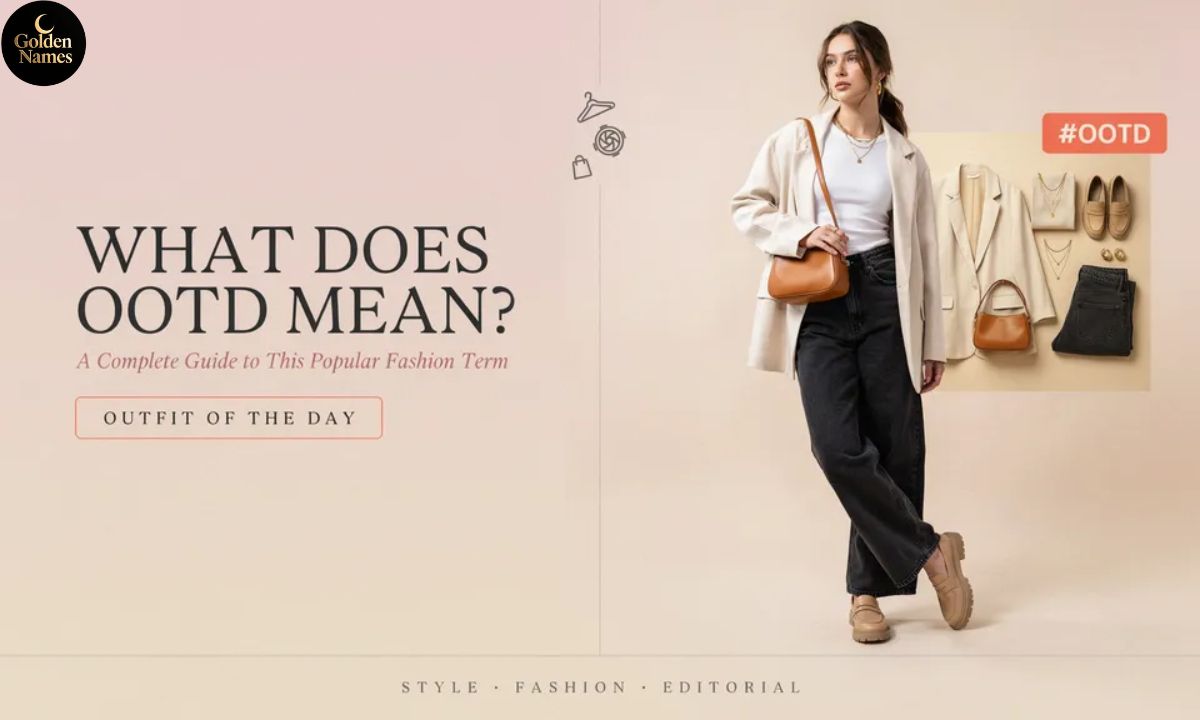
If you’ve scrolled through Instagram, TikTok, or Pinterest lately, you’ve probably seen posts tagged with #OOTD or captions mentioning “today’s OOTD.” But if you’re not familiar with fashion and social media culture, you might be wondering what this acronym actually means and why everyone’s talking about it.
The short answer? OOTD stands for “Outfit of the Day. But there’s so much more to this term than just a simple abbreviation. OOTD has become a cornerstone of fashion culture, social media engagement, and personal style expression. In this guide, we’ll break down everything you need to know about OOTD, from its origins to how people use it today.
What Does OOTD Stand For?
OOTD is an acronym that represents “Outfit of the Day.” It’s used to describe whatever clothes someone is wearing on a particular day. The term has become shorthand in the fashion and lifestyle community, especially on social media platforms where brevity and hashtags are king.
Think of it this way: just like you might post a picture of what you ate for breakfast using the hashtag #FoodoftheDay, fashion enthusiasts use #OOTD to share what they wore. It’s a way of documenting your personal style, getting feedback from friends, or simply celebrating your fashion choices for that specific day.
The beauty of OOTD is that it’s inclusive. It doesn’t matter if you spent hours carefully curating an outfit or just threw together whatever was clean in your closet. If you wore it, it’s your OOTD. Everyone has one, every single day, though not everyone chooses to share theirs on the internet.
Where Did OOTD Come From?
Like many internet slang terms, the exact origin of OOTD is a bit fuzzy. However, it gained significant traction during the early-to-mid 2010s when fashion blogging was booming and Instagram was becoming the go-to platform for sharing visual content.
Fashion bloggers and influencers started using the term as a way to quickly categorize their outfit posts. Before long, it spread from the professional fashion world into mainstream social media culture. Today, OOTD is used by fashion professionals, casual social media users, teenagers, and fashion-forward individuals across the globe.
The rise of OOTD coincides with the broader shift toward personal branding and lifestyle content on social media. As more people wanted to share their lives online, fashion became an easy and visual way to express individuality and personality. OOTD posts became a natural part of this trend.
How Do People Use OOTD on Social Media?
Understanding how OOTD is used in practice gives you a clearer picture of what it means in different contexts. The term shows up in several ways across various platforms:
Hashtag Posts
The most common way people use OOTD is by sharing a photo of their outfit and adding #OOTD or variations like #OutfitOfTheDay to the caption or comments. These hashtags help other people discover the post and connect with others who share similar fashion interests. When you search for #OOTD on Instagram, you’ll find millions of posts from people around the world showing off what they wore that day.
Captions and Comments
People also mention OOTD directly in captions or comments. For example, someone might write, “Really happy with today’s OOTD!” or “What do you think of my OOTD?” This creates a conversational element and invites feedback from followers and friends.
Stories and Reels
On platforms like Instagram and TikTok, OOTD appears in Stories, Reels, and TikTok videos. The short-form nature of these platforms makes OOTD perfect for quick outfit showcase videos, outfit transitions, or getting reactions from followers.
Blog Posts and Articles
Fashion bloggers often write full articles or create detailed posts centered around their OOTD, explaining why they chose certain pieces, how they styled them, or how to recreate a similar look. This is where OOTD content gets more in-depth and educational.
Cross-Platform Trending
When an OOTD trend starts, like wearing a specific color, pattern, or piece, it often spreads across multiple platforms. Influencers might share their version of a trending OOTD, and followers participate by creating their own versions.
OOTD Examples and Real-Life Scenarios
Let’s look at some practical examples of how OOTD works in real life:
Example 1: The Casual Office Look Sarah is heading to a day at her office. She puts on black trousers, a cream-colored sweater, and a pair of loafers. Before leaving the house, she snaps a mirror selfie, posts it to Instagram Stories with the caption “Professional OOTD,” and uses #OOTD. Her coworkers and friends can see what she’s wearing, and some might even compliment her style.
Example 2: The Weekend Brunch Marcus is meeting friends for brunch. He’s chosen his favorite vintage band t-shirt, a perfectly fitting denim jacket, and white sneakers. He posts a full-length photo to his Instagram feed with the caption “Sunday OOTD” and several relevant hashtags. His fashion-interested followers engage with the post, asking where he got his jacket.
Example 3: The Special Event Jennifer is going to a wedding. She’s wearing a navy blue dress, statement earrings, and heels. She documents the full outfit from different angles, posts it to Instagram with the caption “Wedding OOTD,” and gets messages from friends saying how beautiful she looks.
Example 4: The Thrifted Fashion Find Alex found an amazing vintage coat at a thrift store for just fifteen dollars. He’s excited about his discovery and creates a TikTok video showing the coat, sharing where he found it and how he styled it with his OOTD. The video goes viral, and other people start hunting for similar vintage pieces.
These examples show that OOTD isn’t about perfection or expensive clothing. It’s about sharing what you’re wearing and connecting with people who care about fashion.
How to Create Your Own OOTD Posts
If you want to start sharing your own OOTD content, here are some practical tips:
Take a Good Photo
You don’t need a professional camera or studio setup. A well-lit mirror selfie or a photo taken by a friend works just fine. Natural lighting is your friend—try taking photos near a window or outside rather than relying on indoor artificial light. Make sure your entire outfit is visible in the photo, or at least the main pieces.
Write a Descriptive Caption
Share a bit about your outfit. You might mention:
- Where you’re going or what you’re doing that day
- Specific pieces and where you got them
- Why you chose this particular combination
- A question for your followers (e.g., “What do you think of this color combo?”)
Use Relevant Hashtags
Include #OOTD and other relevant hashtags like #OutfitOfTheDay, #StyleOfTheDay, #FashionBlogger, or specific trend-related tags. This helps your post get discovered by people interested in fashion content.
Be Authentic
Share outfits that actually represent your personal style, not just what’s trending. People connect with authenticity. Whether your OOTD is casual, bold, minimalist, or eclectic, what matters is that it feels true to you.
Consider Consistency
If you’re regularly posting OOTD content, try to build a consistent aesthetic. This might mean a particular color palette, style vibe, or quality level that becomes recognizable to your followers.
OOTD vs. Similar Fashion Terms
The fashion world has several related terms and acronyms that you might encounter alongside OOTD. Understanding the differences helps clarify what people mean:
OOTD (Outfit of the Day) – Your clothing on a specific day, usually documented and shared.
FOTD (Face of the Day) – Similar concept but focused on makeup and skincare rather than clothing. You might see posts featuring a particular makeup look.
LOTD (Look of the Day) – A broader term that could encompass your entire look, including outfit, makeup, hair, and accessories combined.
WIWD (What I Wore Wednesday) – A specific hashtag trend that started as a themed day for outfit posts. People participate on Wednesdays by sharing what they wore.
WFH (Work from Home) – Related to OOTD but specifically about comfortable outfits people wear when working from home, which became more common after 2020.
Capsule Wardrobe – Not an acronym, but related to OOTD philosophy. This is a carefully curated collection of basic pieces that work together in different combinations.
While these terms serve different purposes, they all share the core idea of OOTD: sharing and celebrating what you’re wearing.
The Culture Behind OOTD
OOTD represents something bigger than just taking outfit photos. It’s part of a broader cultural shift in how we express ourselves, seek community, and think about fashion.
Personal Branding and Expression
In an increasingly digital world, fashion has become a primary way people communicate their identity and values. Your OOTD tells a story about who you are, what you care about, and how you see yourself. Whether someone is expressing their creative side, professional identity, or cultural heritage through clothing, OOTD gives them a platform to do so.
Community and Connection
Sharing OOTD posts creates communities around fashion interests. People with similar styles find each other, offer inspiration, and build friendships based on shared aesthetic values. Fashion enthusiasts can connect with people worldwide who share their love of vintage clothing, sustainable fashion, bold colors, minimalism, or any other style approach.
Democratizing Fashion
OOTD has helped democratize fashion by removing gatekeeping. You don’t need to be a professional model, fashion influencer, or work in the industry to share your style. Anyone with an internet connection can post their OOTD and participate in fashion culture. This has made fashion more inclusive and diverse than it was when it was primarily controlled by magazines and runways.
Sustainability and Secondhand Fashion
OOTD content has become instrumental in promoting sustainable fashion practices. People share how they style thrifted pieces, create multiple looks from the same basic items, or upcycle old clothing. This visibility has encouraged more people to consider secondhand shopping and reduce their fashion consumption.
Confidence and Mental Health
For many people, curating and sharing an OOTD is a confidence booster. Getting positive feedback on an outfit choice can improve self-esteem and mental well-being. Some fashion enthusiasts use OOTD sharing as a form of creative expression and self-care.
Frequently Asked Questions About OOTD
What’s the best time to post an OOTD
The best time to post depends on when your audience is most active. Generally, evenings and weekends see higher engagement on social media, but this varies by platform and audience. Try posting at different times and track which gets the most interaction.
Do I have to share expensive outfits as my OOTD
Absolutely not. OOTD is about what you actually wear, regardless of price point. Some of the most popular OOTD posts feature thrifted or budget-friendly pieces. What matters is how you style them and your confidence wearing them.
Can men participate in OOTD culture
Of course! OOTD isn’t exclusive to any gender. Men’s fashion content using OOTD has grown significantly, and many male fashion influencers and everyday people share their daily outfits online.
How often should I post OOTD content
There’s no required frequency. Some people post multiple times daily, while others share one OOTD a week. Do what feels sustainable and authentic for you. Consistency matters more than frequency.
What if my OOTD gets negative comments
Remember that fashion is subjective. Not everyone will love every outfit, and that’s perfectly fine. You’re not dressing for the internet; you’re sharing something you chose to wear. Ignore unhelpful criticism and engage with supportive, constructive feedback.
How do I develop my own fashion style for OOTD posts
Look at what you consistently reach for in your closet. Pay attention to colors, silhouettes, and pieces that make you feel confident. Follow fashion accounts that resonate with you, but focus on developing your personal style rather than copying others exactly.
Can OOTD help me start a fashion career
Yes, many fashion professionals, stylists, designers, influencers, and models, got their start by sharing OOTD content and building an engaged following. Consistent, quality content can lead to brand collaborations, sponsorships, or professional opportunities.
What’s the difference between OOTD and fashion modeling
OOTD is typically personal and authentic documentation of what someone actually wears, while fashion modeling is often more professional and styled. That said, successful OOTD accounts often feel authentic in a way that appeals to people more than traditional fashion photography.
Final Thoughts
OOTD started as a simple hashtag used by fashion enthusiasts to share their daily clothing choices. It has evolved into a significant cultural phenomenon that influences how people think about fashion, express themselves, and connect with communities online.
Whether you’re interested in fashion, looking for style inspiration, or just curious about what everyone means when they post #OOTD, understanding this term gives you insight into how modern communication and fashion intersect. It’s a reminder that fashion isn’t just about looking good—it’s about feeling confident, expressing yourself, and sharing your life with others.
The beauty of OOTD is its simplicity and inclusivity. Your outfit, whatever it is, deserves to be celebrated. Whether it’s a carefully planned ensemble or an accidental combination that surprisingly works, it’s your outfit, and it’s valid. That’s what OOTD really means in the broader context of how we live and share our lives today.
Next time you see #OOTD on social media, you’ll understand it’s not just a fashion tag,it’s an invitation to celebrate personal style, build community, and participate in a form of creative expression that’s become central to how we communicate in the digital age.