

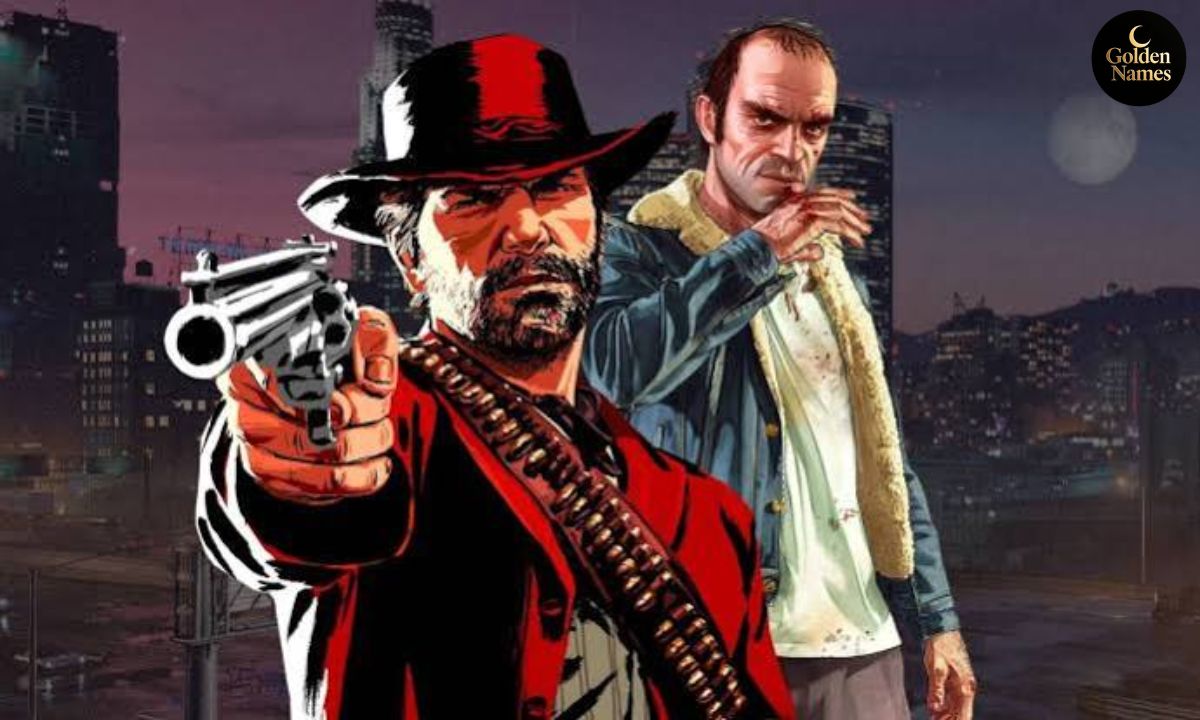
When you think about video games that have genuinely changed the industry, certain names come to mind. Rockstar Games sits at the very top of that list. Whether you’re a casual gamer who’s heard about Grand Theft Auto or someone deeply invested in the Red Dead universe, this company has shaped how we think about open-world gaming, narrative storytelling, and interactive entertainment.
But there’s way more to Rockstar Games than just creating hit titles. Understanding this company means getting into how they operate, what makes their games tick, and why they’ve become such a dominant force in the entertainment world for nearly three decades.
Who Is Rockstar Games and What Do They Actually Do?
Rockstar Games is an American video game developer and publisher founded in 1998. The company operates under the Take-Two Interactive parent company, which also owns 2K Games and other entertainment properties. Think of Rockstar as the creative powerhouse that designs, develops, and publishes some of the most ambitious games ever made.
The team started with relatively modest beginnings in New York, but quickly became known for pushing boundaries. They weren’t interested in making safe games that followed formulas. Instead, they wanted to create experiences that challenged players, told compelling stories, and delivered gameplay that hadn’t been seen before.
Today, Rockstar Games operates studios across multiple continents. Their offices in New York, San Diego, London, Toronto, and other locations employ thousands of developers, artists, writers, and designers. This global network allows them to collaborate on massive projects that would be impossible for smaller studios to tackle.
The Franchise That Started It All: Grand Theft Auto
If you’re wondering why Rockstar Games became such a household name, the answer is Grand Theft Auto. Launched in 1997 (technically before Rockstar’s official founding), the Grand Theft Auto series fundamentally changed what people expected from video games.
The original game introduced something revolutionary at the time: a completely open world where you weren’t locked into predetermined missions. You could drive around, explore, and cause mayhem whenever you wanted. This freedom was intoxicating to players who were used to linear, corridor-based game design.
But Rockstar kept innovating. Grand Theft Auto III, released in 2001, moved the series into 3D and basically created the blueprint for modern open-world games. It wasn’t just about the freedom to explore, though. It was about the writing, the characters, the radio stations, and the sheer personality of the world. You weren’t just playing a game; you were stepping into a living, breathing crime drama.
The series continued to evolve with Vice City, San Andreas, and eventually GTA IV and its expansions. Each entry improved the graphics, expanded the world, and deepened the storytelling. Then came Grand Theft Auto V, released in 2013, which sold over 100 million copies and became one of the best-selling games ever made. The fact that it’s still thriving nearly a decade later, with GTA Online continuing to generate billions in revenue, shows just how strong this franchise is.
Red Dead Redemption: When Rockstar Went West
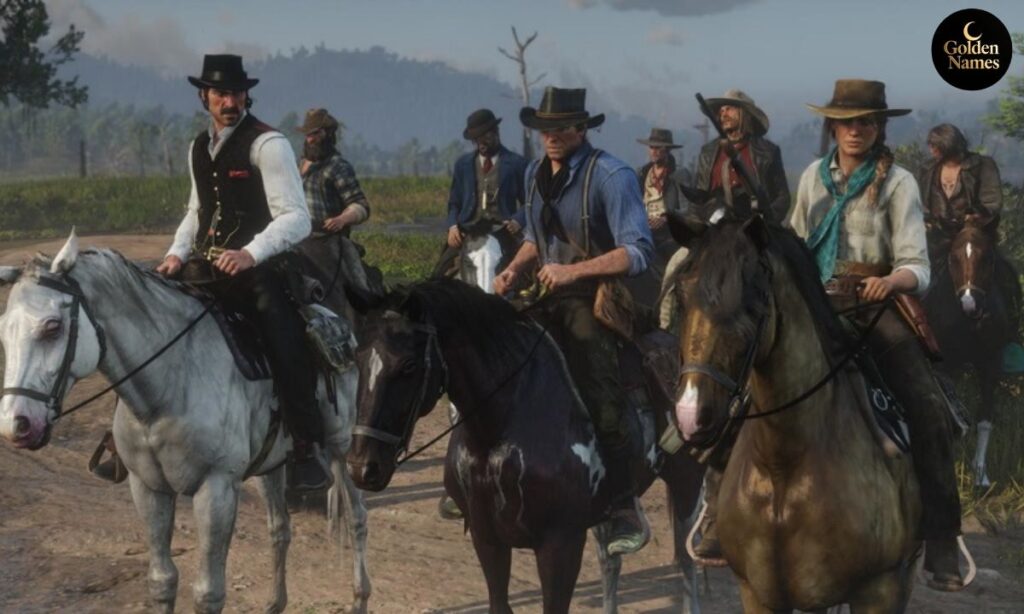
While Grand Theft Auto was dominating the contemporary crime space, Rockstar decided to try something different. In 2010, they released Red Dead Redemption, and it proved they could tell compelling stories beyond the modern criminal underworld.
Red Dead was a Western action-adventure game set in 1911 that followed John Marston, a former outlaw trying to go straight. The writing and character development were incredible, but what really stood out was how Rockstar made you care about this morally gray protagonist. By the end, you genuinely felt invested in his journey.
Red Dead Redemption 2, released in 2018, took everything to another level. The game was absolutely massive, featuring a prequel story centered on Arthur Morgan and the Van der Linde gang. The detail in this game was obsessive. Rockstar created a living world where every NPC had routines, where you could pick up and drop items, where animation wasn’t just smooth but contextual.
The graphics pushed PlayStation 4 and Xbox One to their limits. The story was genuinely one of the best narratives ever told in gaming, rivaling many acclaimed films and novels. If you wanted to see what Rockstar excels at, Red Dead Redemption 2 is the perfect example of their commitment to quality and ambition.
Other Notable Projects and Franchises
Beyond their two megafranchises, Rockstar has created several other successful series and standalone titles that deserve mention.
The Midnight Club racing series gave players arcade-style street racing action. Bully put you in the shoes of a troublemaking student navigating a corrupt school system. Manhunt was a stealth-focused thriller that genuinely disturbed people with its brutal aesthetic. L.A. Noire brought detective work and facial animation technology to the forefront, letting players solve crimes in 1940s Los Angeles.
Max Payne was a collaboration between Rockstar Games and developer Remedy Entertainment that introduced bullet-time mechanics to console gaming. The game had style to spare, and its dark neo-noir atmosphere influenced countless games that came after.
These projects show that Rockstar doesn’t just iterate on existing franchises. They genuinely experiment with different genres and gameplay mechanics, though admittedly with less frequency these days.
Why Rockstar Games Games Feel Different
There’s something about Rockstar Games titles that sets them apart from other major publishers’ offerings. Part of it is the writing. The company invests heavily in narrative, hiring screenwriters and novelists to craft stories that go beyond typical video game dialogue.
The soundtrack selection matters too. Rockstar curates licensed music carefully, creating radio stations and playlists that fit the world and era. In Grand Theft Auto, turning on the radio isn’t just about hearing background music; it’s about hearing commentary and songs that reflect the game’s culture and time period. In Red Dead, the music might be period-appropriate folk, country, or orchestral pieces that enhance immersion.
The player agency in Rockstar games also differs from many competitors. Yes, you have a main story to follow, but the way you approach situations often remains flexible. You can usually tackle problems through combat, stealth, planning, or dialogue. This flexibility makes missions feel less like scripted sequences and more like problems you’re solving yourself.
The attention to detail in worldbuilding is genuinely obsessive. NPCs aren’t just standing around waiting for you. They have routines, they react to your actions, and they populate a world that feels lived-in. This level of detail requires enormous resources but creates an experience that just feels more real than many competitors’ games.
The Business Side: Why They’re So Successful
Rockstar Games’ success isn’t just about making good games. The company has become expert at managing expectations, marketing strategically, and monetizing their products effectively.
Take Grand Theft Auto Online as an example. Most games with online components launch them as a secondary feature. Rockstar essentially launched GTA Online alongside GTA V and made it the primary focus. Over a decade later, it’s still generating massive revenue through cosmetic purchases, battle passes, and property ownership systems.
Red Dead Online followed a similar model but with a more measured approach. While less dominant than GTA Online, it still creates consistent revenue by offering cosmetics, horses, weapons, and property that players want but don’t need to purchase.
The company’s release strategy is also careful. Grand Theft Auto VI is probably the most anticipated game in development. The fact that Rockstar waited over a decade to announce a new main entry shows their understanding of market timing. When GTA VI finally releases, it’ll be a cultural event, not just another game launch.
What Makes a Rockstar Game, Anyway?
If you look across Rockstar’s catalog, certain characteristics appear consistently. First, these are usually large-scale, ambitious projects. The company doesn’t make small, focused experiences. Everything is designed to be expansive and offer dozens of hours of content.
Second, narrative quality matters enormously. The main character usually has depth and complexity. They’re not perfect heroes or simple villains. They’re flawed people navigating difficult circumstances, and that moral complexity gives their stories resonance.
Third, the worlds are meticulously crafted. Every street, building, and area has purpose. You can’t just fast-travel everywhere; exploration is encouraged and rewarded. Hidden content, collectibles, and Easter eggs are scattered throughout, giving players incentive to really explore.
Fourth, the gameplay loop is addictive. Whether you’re committing crimes in GTA or herding cattle in Red Dead, the core activities feel satisfying to repeat. This is crucial for games with 40, 50, or even 100+ hours of content.
Working at Rockstar: Inside the Studio Culture
Rockstar Games is infamous for intensive development schedules and “crunch” periods where employees work extended hours to meet deadlines. The company has faced criticism from workers and industry observers about work-life balance and labor practices.
However, the company also offers competitive salaries, benefits, and the chance to work on genuinely ambitious projects. For many developers, the opportunity to contribute to games played by hundreds of millions of people worldwide justifies the demanding environment.
Positions at Rockstar range from programming and game design to art, animation, writing, and quality assurance. The company looks for people who are passionate about games and willing to collaborate intensively on complex projects. Entry into the industry often happens through internships or junior positions, though the company also hires experienced professionals.
Common Questions About Rockstar Games
What platform is Rockstar Games on? Rockstar develops for PC, PlayStation (currently PS5), and Xbox (currently Series X/S). Their games eventually come to most major platforms, though sometimes with delays. Older titles might be available on Nintendo Switch.
How often does Rockstar release new games? This is actually one of Rockstar’s criticisms. They release new major titles relatively infrequently compared to other publishers. The gap between major entries in their franchises can be 5-10 years or more. They prioritize quality and massive scope over yearly releases.
Are Rockstar games appropriate for kids? Most Rockstar titles carry M (Mature, 17+) ratings. This is intentional. Their stories often contain violence, language, and themes not suitable for young children. The company doesn’t try to make their games kid-friendly; they’re designed for adult audiences.
What’s the multiplayer like in Rockstar games? GTA Online and Red Dead Online offer persistent multiplayer experiences where players create characters and engage with others. These aren’t competitive esports titles but rather co-op and competitive play within living game worlds.
Can you mod Rockstar games? This depends on the platform and game. PC versions often allow mods, though Rockstar’s official stance has been complicated. Console versions generally don’t support mods.
The Impact on Gaming Industry and Culture
Rockstar Games hasn’t just created successful franchises; they’ve fundamentally influenced how the gaming industry approaches open-world design, narrative storytelling, and player agency. Their games prove that interactive entertainment can reach cultural significance comparable to film and literature.
The debates surrounding their games, while sometimes exaggerated, reflect their cultural impact. Parents, policymakers, and researchers pay attention to Rockstar Games because millions play them. Whether people love or criticize their content, the company remains culturally relevant in ways most entertainment companies aspire to.
Their influence on game design is clear in how competitors approach open-world architecture, mission design, and character development. Many studios have attempted to replicate Rockstar’s formula with varying degrees of success.
What’s Next for Rockstar Games?
The gaming world is watching carefully for Grand Theft Auto VI news. Rockstar has confirmed development and released a single trailer, but details remain sparse. Given the scale of previous entries and current technological capabilities, GTA VI will likely be the most expensive video game ever made.
Beyond GTA, the company hasn’t announced other major projects. This doesn’t mean they’re not in development; Rockstar is notoriously secretive about unreleased projects. Red Dead Redemption 3 will eventually come, as will expansions and updates to their online platforms.
The company is also navigating changing player expectations, evolving technology, and ongoing discussions about workplace practices in the gaming industry. These factors will shape how Rockstar operates going forward.
Final Thoughts: Why Rockstar Games Matter
Rockstar Games exists at the intersection of art, technology, and commerce. They’ve proven that video games can be more than entertainment products; they can be genuine artistic statements that resonate with hundreds of millions of people.Their games take years to develop, cost enormous budgets, and push technology to its limits. This high-risk, high-reward approach results in titles that define gaming generations. That’s not common anymore. Most publishers favor safer bets with faster turnaround times.
Whether you love or hate their games, Rockstar’s influence on entertainment is undeniable. They’ve shown what’s possible when developers are given resources, time, and creative freedom to chase ambitious visions. In an industry increasingly focused on live-service games and microtransactions, Rockstar remains committed to creating substantial, complete experiences.If you’re interested in gaming history, storytelling in interactive media, or just want to understand what millions of people find so compelling, Rockstar Games is the perfect case study. Their work continues to shape what players expect from major gaming experiences and influences how the industry thinks about open-world design, narrative depth, and player agency.
1 thought on “Rockstar Games: Everything You Need to Know About the Gaming Giant Behind Your Favorite Franchises”